Ukraine: "There are no revolutionary traditions and there never were"
Interview with Oleh Dubrovsky, July 2026
Preface of the Editorial Board:
Below we publish the English-language translation of an extensive interview with Oleh Dubrovsky, a long-time left-wing working-class activist in Ukraine and a soldier defending the motherland against Putin’s invasion. The interview was conducted by our comrade Stanislav, a member of "Spalakh" (RCIT section in Ukraine).
The interview was originally published at the website “Пролетар України” (Proletarian of Ukraine, https://proletar-ukr.blogspot.com/2026/06/blog-post_26.html), a website which is run by Andriy Zdorov, a close associate of Oleh Dubrovsky. The text contains a number of explanatory notes, usually in brackets, which have been provided by our comrades in Spalakh.
As the Ukrainian-language preface states, Oleh Dubrovsky started his political activism already in the period of the Stalinist regime and since then he “went through an ideological evolution from anarcho-syndicalism through Trotskyism to Ukrainian social democracy.” It is therefore only logical that the RCIT, an orthodox Trotskyist organization, has profound political differences with the comrade. In our view, the USSR was a degenerated workers state, not state capitalist; we consider Svoboda as a reactionary right-wing force with which collaboration has always been impermissible for socialists; his position on the liberation struggles against U.S. imperialism and Zionism in Palestine, Iran, Afghanistan or during the Korea War 1950-53 is reactionary as is his thesis about the “civilizational mission of the colonialists”.
However, such profound differences do not diminish our respect for Oleh’s long-time activism in the working class and his practical efforts to fight Russian imperialism. Furthermore, the interview provides highly interesting insights in the political condition in Ukraine both before the collapse of Stalinism in 1991 and since then.
For the RCIT documents on the Ukraine War and the NATO-Russia conflict we refer readers to a special page on our website: https://www.thecommunists.net/worldwide/global/compilation-of-documents-on-nato-russia-conflict/
* * * * *
Preface on the website “Пролетар України”:
Interview with veteran of the labor movement in Ukraine Oleh Dubrovsky about how the consciousness of the working class in Ukraine has changed from the times of the Soviet Union to the present. How did the events of the Maidan of 2013-2014 and the Russian-Ukrainian war affect this consciousness? What is the socialist activist's current attitude towards left-wing movements and organizations, towards wars and conflicts in the global world?
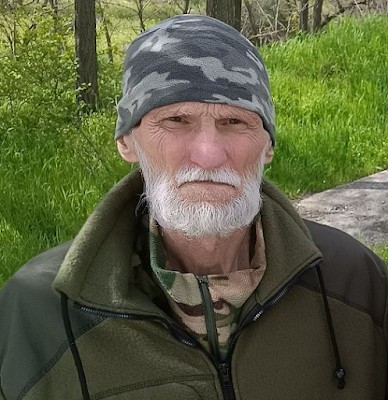
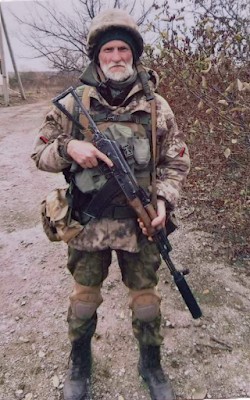
Oleh Borysovych Dubrovsky (born in 1955) is a sixth-grade pipe-roller by profession. He began his career during the CPSU regime and went through an ideological evolution from anarcho-syndicalism through Trotskyism to Ukrainian social democracy. In the 1990s, he was the organizer of eight strikes at industrial enterprises in the city of Dnipropetrovsk (now Dnipro), was twice dismissed from work with the so-called "wolf ticket" (Article 40 of the Labor Code), was subjected to administrative and police pressure, etc. During the "small war" in Donbas, which began in 2014, and the full-scale Russian-Ukrainian war, which began in February 2022, Oleh Dubrovsky participated in repelling Russian armed aggression as part of Ukrainian volunteer formations.
Recorded in the city of Dnipro in April 2026 by comrade Stanislav, an activist of the group "Spalakh".
Question: First, I want to talk about the past, about past experience. Let's talk about the struggle under the Stalinist regime. As you saw it, what can you say about the level of class consciousness, socialist consciousness in the enterprises, the level of class struggle at that time, how it was transformed? Maybe it was rising, or maybe it is somehow different from modern conditions?
O.D.: If we start from the 70s or the beginning of the 80s, I take my experience from the general level of workers' consciousness. What kind of activists were there in the 70s?! What was workers' activism supposed to consist of then, when everything was formalized, bureaucratized in the structures of the official quasi-trade union, the Komsomol, and the party organization of the CPSU? Under the conditions of a totalitarian regime, open workers' activism, which would have an alternative character to the aforementioned structures, was impossible. Class consciousness? The general impression left was that there was almost no class consciousness. The working class was an amorphous mass, which was a class only as an object of exploitation. It was a "class in itself." As Marx said, "the rule of capital created for this mass an equal position and common interests." But the awareness of these common interests was significantly hindered by the atomization of society - there was no workers' collectivism as such. Collectivism was imposed only from above, bureaucratically, within the framework of the above-mentioned structures. Socialist consciousness at enterprises in the sense in which we understand it? It is generally ridiculous to talk about this in relation to the conditions of the 70s and 80s. There was, so to speak, a distorted socialist consciousness, the influence of which is felt even now and which can be defined as state paternalism, which, as we understand, has nothing to do with socialism. And what prevailed was an individualistic petty-bourgeois consciousness. Adapt and row for yourself! In general, despite all the efforts of the totalitarian regime, the information blockade of society inherent in it, even in such a “closed city” as Dnipropetrovsk, workers were already blinded by Western consumer standards in the 70s. I can't say anything about the level of class struggle and how it transformed during the 70s and 80s, because that struggle didn't exist. But there was some social resistance, but these were its most primitive and destructive forms: staff turnover; drunkenness; theft... In the early 80s, drunkenness among Dnipropetrovsk workers took on the character of a real epidemic.
Question: The enterprises employed so-called agitators who conducted explanatory activities. How did this function?
O.D.: At the enterprises, the CPSU carried out constant and persistent propaganda work. There were mandatory political information and political classes for workers. All workers were involved in open party meetings of the CPSU factory party organizations. There were closed meetings only for CPSU members, and open party meetings, at which all workers had to be present without fail. At the political classes, there was a plan that determined the topics of these classes for several months in advance. This plan was posted on the order and announcement boards in each production unit, that is, it was completely freely accessible. The classes were conducted by members of the CPSU factory party committee, who were also administrators with higher education, as "party workloads". So-called propagandists and lecturers from the district CPSU committee also came to give lectures and try to provoke discussion.
In the 1970s and 1980s, all this was increasingly decomposed and formalized. The workers felt alienated from this process. They were frankly bored or simply asleep while propagandists tried to indoctrinate them about the “party policy”, about the fact that they were the “advanced class” that was “building communism”. Only administrative pressure ensured the presence of workers at these ideological training events. In the second half of the 1970s, when it was impossible to engage in, so to speak, an open ideological struggle, I set myself the task of knowing the history of the CPSU better than the district committee propagandists, in order to publicly, at these classes, ask them uncomfortable questions about the history of this party and debunk the inappropriateness of their ideological clichés, while they did not know what to answer so as not to go beyond the ideological requirements of the time. In those days of the already mentioned information blockade of society by the CPSU totalitarian regime, the main source of alternative knowledge on the history of the CPSU for me were the stenographic reports of conferences and congresses of the RSDLP - RCP(b) - VKP(b), which I began to read during my service in the ranks of the "Soviet" army.
In general, the 70s and early 80s bore the imprint of a general social decay. Alienation from any officialdom and double standards reigned everywhere. Workers were alienated from the production process and the results of their labour. At the same time, it was clear to me that the CPSU propaganda machine was also working at "idle speed". I saw that those "communists" who carried out the ideological processing of the workers themselves did not believe in what they were saying and felt that they were "beating a dead horse". Frank formalism reigned. This was typical of the late 70s and early 80s.
At that time, I was influenced by the ideas of the “workers’ opposition” in the RCP(b), from whose perspective I tried to analyse “Soviet reality” and was very enthusiastic about the Polish “Solidarity”, its development, and its struggle against the PORP regime. Later, I always said that as a workers’ activist, I was formed under the influence of the Polish “Solidarity”. In 1980 and later, the “Soviet” media conducted a furious propaganda attack against “Solidarity”. At the same time, at my level, which was the level of one brigade, at most the level of one workshop, I tried to conduct counter-propaganda, telling my colleagues what “Solidarity” really is and what it is fighting for with the PORP regime. Another element of my “anti-Soviet agitation” was agitation against the intervention of the “USSR” in Afghanistan. These were the two main topics, and quite soon I was able to understand that the group where I was conducting this most modest propaganda work included a KGB informant. This was already the first half of the 1980s.
Question: And what were the consequences of these conversations?
O.D.: My first public speech directed against the policy of the CPSU took place in August 1984 at a general meeting of workers, when the management once again announced the need to go on unpaid agricultural work the following weekend, because it was necessary to “fulfill the party’s food program.” Each enterprise was to allocate workers every week. I called for a collective boycott of these trips, referring first of all to the fact that in a society dominated by commodity-money relations, there should be no unpaid work.
Later, around 1990, I read a report in the newspaper by the first secretary of the regional committee of the CPSU, where he said that in order to fulfill the “party’s food program,” Dnipropetrovsk must allocate 15,000 people to agricultural work every day. To do this, each enterprise had to allocate a certain number of workers every week on weekends. This was all done under administrative coercion. The workers swore. The workers were indignant. But they drove, drove, and drove because they didn’t want to “get into trouble.” Feeling such a wave of collective discontent, I decided that it was time for an open speech. At the next meeting, during which the administration determined who would go to these jobs again, I called for a collective solidarity boycott of trips to unpaid agricultural work, additionally emphasizing that paid trips should also be voluntary, not forced.
The administration reacted very nervously to this speech. A few days later, I was called to the personnel department, where, having picked up the phone, I learned that an employee of the regional KGB department was inviting me for an “interview”. I had no experience in communicating with the “authorities” and therefore agreed to an informal “preventive conversation”, that is, without receiving a summons. (In post-Soviet legal/military language, профілактична бесіда is a warning talk with police or military enlistment office — unofficial, meant to pressure you without formal paperwork (like a draft summons).) It was during this “conversation” that I was struck by the level of awareness of my interlocutor – he knew everything that I had talked about with my colleagues in the brigade in which I worked. It was then that I realized that even in such a small production unit, the KGB had its informant. In those days, each district of the city had both a regional police department and a regional KGB department (*). These regional “state security” departments were disbanded only in 1990. One employee of such a regional KGB department carried out ideological supervision over several enterprises, he was assigned to two or three factories, where he created his own network of informants, additionally attracting information from the secretaries of the CPSU party committees of the relevant enterprises.
Remark [A.Z.]: What year was that?
O.D.: 1984, August 1984. This is written about in my authorized political biography.
Question: What was the response among the workers to the story about Solidarity, about Afghanistan, and about these forced departures?
O.D.: There was probably no external response. People listened, kept quiet. Some agreed, some didn't, but mostly they kept quiet, and everyone followed the orders and requirements of the administration - they went to the unpaid agricultural work, were indignant, and cursed. The same reaction was during the forced contributions to the so-called "peace fund" and during the mandatory purchase of state lottery tickets during the payment of the next salary.
In the circumstances mentioned, I chose the tactic of acting by my own example. If I agitate for a boycott of this or that event of the CPSU party organization, then I must do it myself. If I call for not going to agricultural work, then, of course, I will not go there myself. If I call for boycotting party meetings, political classes, or contributions to the "peace fund", then I myself do not go there and do not pay these contributions. If I call for workers not to take on mandatory "socialist obligations" and to boycott the so-called "socialist competition", then first of all I myself publicly refuse to write these "obligations" and boycott that "competition"...
My fellow class members called me a lone rebel. The director and the secretary of the party committee (In Soviet enterprises, the партком (party committee) was the Communist Party cell within a factory or institution. The director handled production, while the party secretary controlled ideology and personnel — real power was shared between them) threatened me with forced psychiatric treatment several times. The administration subjected me to material and disciplinary repression (Матеріально-дисциплінарні утиски is a Soviet-style bureaucratic phrase meaning they hit you both in the wallet (fines, wage cuts, bonus denials) and through official reprimands/warnings — classic tools of workplace control in the Soviet system). For example: I did not go to an open CPSU party meeting, I stayed at my workplace, in the mechanical workshop (because these meetings were held during working hours!), then the head of the shop came and overloaded me with additional work, and at the same time the director of the plant ordered me to take away part of the so-called "production bonus", that is, he took away part of my salary. The administration gave me an ultimatum: for each fact of ignoring the measures of the CPSU party organization, a certain percentage of the bonus would be taken away from me. And the numerous “educational interviews” with the bosses in various offices are worth mentioning – there I was repeatedly called a fascist, there I had the opportunity to hear about myself that I was “for Hitler”, that I would “twist communists' heads off” and that the “competent authorities” (a classic Soviet euphemism for the KGB/security services (literally "competent bodies/authorities"), meant to sound ominous and official without naming them directly) would soon be looking into my person. Publicly, at workers’ meetings, the administration repeatedly branded me: “He works for Reagan! He helps American imperialism!” Meanwhile, other workers obediently did everything the bosses demanded of them. The corruption of the “red” bosses and the adaptation of the workers reached completely shameful phenomena: the workers were involved in cultivating the lords’ gardens that were on the territory of the enterprise; the director (also being the deputy secretary of the CPSU Party Committee for ideology and a member of the fictitious “Council of the Labor Collective”) sent workers to do household chores at his own “dacha,” that is, on his own estate outside the city, and had the habit of referring to them as “my people,” and the chief engineer of the plant (also a member of the Party Committee and a member of the trade union committee) constantly ordered the workers to wash his private car.
Question: If we take the experience of agitation after the collapse of the USSR in 1991, did the level of class consciousness remain approximately at the same level?
O.D.: Approximately at the same level. In the 90s, after the collapse of the CPSU regime and the beginning of the transformation of state capitalism into private capitalism, the working class faced other challenges. For me personally, this meant the end of the ideological confrontation with the “communists”. Already at the end of 1990, the breakdown of the CPSU party organization at the plant reached such a level that it, steadily decreasing in its numbers, ceased to offer any resistance to the propaganda work that I conducted at the plant. The confrontation with the bosses, having lost its ideological colouring, acquired the character of a purely economic struggle. In general, the level of class consciousness remained at the same lowest level. There was no awareness of how to resist the bosses in conditions of a rapid decline in living standards, there were no discussions on the topic “what to do?”. It should be noted that I never heard my colleagues discuss the problems of the class struggle on their own, without my prompting. Perhaps the only positive response to my activism was that at the brigade, workshop, and factory levels, workers constantly nominated me for elected trade union positions, and in the event of industrial conflicts, I was constantly put forward to formulate the workers' demands to the administration. But it was all done on the principle of "do better for us, and we will applaud you."
Question: What about activists and opposition before the collapse? What was the level?
O.D.: What activists? What opposition? I have already spoken about the socio-political situation of the “pre-perestroika” times. In the working-class environment where I moved around, where I tried to conduct left-opposition political activity in relation to the CPSU regime, I did not meet any other activists, I did not notice any opposition activity. Since 1987, I have already begun to openly act as an anarcho-syndicalist. By that time, I had independently, during constant persistent self-education, evolved from the ideological platform of the “workers’ opposition” to anarcho-syndicalism. At my workplace, already during the bourgeois-democratic revolution of 1989-1991, I managed to create a circle of anarcho-syndicalist propaganda.
Question: How did you start speaking openly as an anarcho-syndicalist?
O.D.: A few more words about the propaganda circle. The form of its work was as follows: a few comrades would gather and I would tell them about the anarcho-syndicalist doctrine, about the anarcho-syndicalist struggle, about the role that the so-called revolutionary trade unions should play in the struggle of the working class, trying to provoke some kind of interested discussion.
As for the open speech as an anarcho-syndicalist: once in August 1987, unexpectedly for my "communist" opponents, I appeared at a political meeting, which, as I said, was then mandatory for all workers, and proposed to hold it in the form of a discussion. Political meetings were, well, nothing, completely dead at that time - the workers would squirm when propagandists tried to tell something about the "historical decisions" of the next plenum of the Central Committee of the CPSU and so on, so I suggested to my ideological opponents to revive them through discussions between me, as an anarcho-syndicalist agitator, and "communist" propagandists both at the factory level and from the district committee of the CPSU. I was so confident in my own ideological and political training that I announced my agreement to discuss any topic that my opponents would choose. The main thing for me in this event was that I would get a platform from which I would have the opportunity to convey anarcho-syndicalist ideas in a legal way and on a scale of the entire enterprise. In this way, I publicly threw an ideological challenge to the “communists”. The CPSU Party Committee of the village dragged on for a very long time with its response to this challenge, it seems, about two months. But finally I was invited to an “interview” with the members of the Party Committee, to which an instructor from the district CPSU Committee arrived. They never gave their consent to transform my political classes from a party propagandist’s monologue to a discussion between ideological opponents. They expressed their fear that I would win over the workers, and did not go for such an open ideological polemic. As the well-known Marxist activist Oleksandr Budylo said, one-party rule prevented the CPSU officials from developing the skills of ideological struggle.
During the CPSU “perestroika”, which was already developing into a bourgeois-democratic revolution, an anarcho-syndicalist organization was formed in Dnipropetrovsk – a section of the Confederation of Anarcho-Syndicalists (CAS), the constituent assembly of which was held in May 1989. In this section, I was responsible for agitation and propaganda. All the leaflets that the section issued were written by me, as were all other propaganda materials.
Question: And how long did this group exist?
O.D.: From 1989 to 1991. Then only one left-wing splinter remained from it – a section of the Anarcho-Communist Revolutionary Union (AKRS). The Anarcho-Communist Revolutionary Union existed, constantly decreasing and disintegrating, until approximately 1994. There was a powerful explosion of the anarchist and anarcho-syndicalist movement throughout the “Soviet” space in 1989. 1990 was probably the peak, and then everything went into decline and disintegration. Entire sections and groups were dissolving.
Kharkiv had the most powerful section of the Confederation of Anarcho-Syndicalists in Ukraine, but it was destroyed by an explosion of disputes over the national question. Most activists declared that Kharkiv was a Russian city, and if it were to be Ukrainized, Kharkiv would become the new Ulster.
Question: How have the conditions for activity changed if we compare the period before the collapse and perestroika with the time after the collapse?
O.D.: In 1987-1989, the administration and the CPSU Party Committee of the enterprise where I worked put up desperate resistance to anarcho-syndicalist agitation in order to somehow prevent its influence on the workers. Everything was there! The first and second secretaries of the district committee of the CPSU, functionaries from the regional committee of the official trade union came to the factory. Urgent joint meetings of the management, trade union committee and party committee, trade union meetings, general meetings, party meetings... What wasn't said there about anarcho-syndicalist ideological values and about me personally! Even intellectual forces were involved: in November 1988, Vitaliy Shybko, candidate of historical sciences, associate professor of the history department of the metallurgical institute, future deputy of the Verkhovna Rada and member of the Political Executive Committee of the Political Council of the Ukrainian Socialist Workers' Party, wrote a rather long article for the official wall newspaper (a joint body of the administration, party committee, trade union committee and the VLKSM committee), in which he exposed the "erroneous views" of the "labor opposition" and the "harmfulness" of anarcho-syndicalist ideas. Later, in the 90s, during direct personal communication, recalling this article, he called it a "party mandate" at that time...
I was subjected to the already mentioned rather intense moral and material pressure, I had to come to the district prosecutor's office on summonses, the police repeatedly arranged for me to have my passport checked. At the end of 1990 and in 1991, such a rapid breakdown began in the CPSU structures that they stopped any resistance to our propaganda.
But back in January 1990, the factory trade union committee, of which I was a member, decided to expel me from its membership and send me to the KGB district department with a “private resolution,” in which it accused me of destabilizing the working collective and “anti-party agitation.” This was probably the apotheosis of destabilizing “Soviet” trade unions – when a trade union committee sends a denunciation of one of its members to the political police! The KGB district department did not react to this denunciation in any way. I also could not help but notice that the KGB supervisors did not show themselves in any way during the frantic political campaign against me that I have just described. Apparently, the KGB had a more realistic assessment of the trends in the socio-political situation than the party functionaries of the CPSU at the district level. This was very noticeable in comparison with what happened in the period from 1984 to 1987. At that time, I repeatedly received signals that the KGB was studying my circle of communication, my preferences and interests; the secretary of the factory party committee repeatedly conveyed to me “hello” from the aforementioned ideological curator from this political police. In 1985, the situation seemed so tense that I expected a search in my own home every day and therefore, after hesitation and hiding, I personally destroyed my first ideological works, which I had written back in 1984: “Leo Trotsky in the Crooked Mirror of Soviet Historiography” and “How We Understand Propaganda and Agitation.”
In the summer of 1991, I was already spreading all sorts of left-wing radical literature in the shop where I worked. I would put a jar nearby and the workers would throw their pennies in there for the literature they had purchased. The factory bosses, who were all, of course, members of the CPSU, were already silently looking at this “anti-Sovietism” and did not even try to prevent the left-wing radical propaganda. But during the “GKChP” mutiny (the failed hard-line Stalinist coup d’état against Yeltsin in August 1991), the factory “communists” raised their heads again. Cynically smiling in my eyes, they said: “So, you've finally screwed up, huh?” For all three days that this mutiny lasted, I massively distributed our anarcho-syndicalist leaflet at my factory and at several others with a call for civil resistance to the mutinies. The director of my plant was on vacation at the time (because it was August – the favorite vacation time for bosses) and instead of him, the functions of the director were performed by the plant’s chief engineer, who hurriedly, on the basis of the “state of emergency”, rushed to dismiss me and personally took a copy of the aforementioned leaflet to the district committee of the CPSU, where the “party-state active” (Партгоспактив = a Soviet bureaucratic contraction meaning "party and economic activists" — senior officials from both the Communist Party and factory management, gathered for decisive meetings) meetings lasted for three days and “emergency troikas” (emergency three-person committees. This echoes the Soviet troika tradition (special commissions with summary powers), often with ominous overtones (like Stalin-era purge troikas) were determined, who were to establish “production and labor discipline” at the enterprises in accordance with the requirements of the “state of emergency”. On August 21, 1991, the GKChP rebellion collapsed, and the next day I requisitioned the premises of the so-called “party office” in the plant management building for the workers’ library and personally took down portraits of Lenin in all the offices, dismembered them and threw them in the trash. I respected and respect Lenin as a great revolutionary, just as I respected and respect Trotsky, Danton or Robespierre or Cromwell, I have the fourth collection of his works, many of which I have read, but at that time these portraits were a symbol of the CPSU regime, which had finally collapsed.
During these revolutionary, in their content, events, the lords-bosses (a contemptuous, ironic doubling; пани (gentry/lords) mocks them as feudal overlords) and other CPSU scum fell silent - none of them dared to say a word or make a move to hinder me. In the last months of 1991 and in 1992, there was no obstruction of left-wing radical propaganda. I can give a vivid example: At the end of 1991, during the presidential elections, near the polling station in the middle of the "Palace of Metallurgists" (which belonged to the Nizhny Dnieper Pipe Rolling Plant, the largest industrial enterprise in the Left Bank part of Dnipropetrovsk), right during the voting, I unleashed a riot of left-wing radical press and literature. A mass of voters passed by, some stopped to look through or buy something from anarcho-syndicalist, anarcho-communist or Trotskyist publications. But no one, neither the police, nor the administration of the institution, nor the members of the election commission, nor the observers of the election process, objected or obstructed. There were only questions - whether this press was not election campaigning, which is prohibited on voting day. Later, after a few years, when the bourgeois regime in Ukraine was consolidated, such things became impossible.
Question: When did this pressure from the administration start to return?
O.D.: I must note that throughout the 90s I never stopped acting as a distributor of left-wing radical press and literature. With this ideological influence in the Industrial District of Dnipropetrovsk, I covered 4 factories constantly, and another 4-5 episodically, I was simply unable to physically cover more enterprises, because every day I worked at the factory, like an ordinary worker. But the main vector of my activism since 1992 began to shift very quickly towards trade unionism. I always believed that the economic struggle, the struggle in the workplace against the so-called "employers" is a necessary school that helps the proletariat develop the skills of solidarity organization, establish internal ties, and finally understand the interdependence and interconnection of the economy and politics. As you know, in the early 90s the economic situation in Ukraine was very difficult. The standard of living of the workers fell rapidly. At the same time, the former CPSU bosses, having recovered from the fright and confusion after the collapse of the State Committee for Emergency Situations and the banning of the CPSU and realizing that nothing threatened them, again felt themselves the masters of life. In the conditions of general uncertainty during the dismantling of the planned economy, the directors of formally state-owned enterprises received even more opportunities to do their own "business" than was the case during the political domination of the CPSU.
At my factory, the situation unfolded as follows. At the end of 1991, the bosses, having thrown off their “communist” masks, completely repainted themselves and appeared before the workers as exploiters in their purest form, without any ideological coloring. But there were also quite funny examples of that ideological repainting. Yes, one of my most ardent opponents, the chief power engineer of the plant (also a member of the party committee, the head of the trade union committee, and a member of the fictitious “Council of the Labor Collective”), who, as they say, was busting his back, defending the political monopoly of the CPSU and striving to destroy the anarcho-syndicalist influences on the workers’ collective (it was he, by the way, who initiated the denunciation of me to the KGB and my exclusion from the factory trade union committee in January 1990), already in 1992 hung a Bandera badge on his chest in the form of a red-and-black flag with the slogan “Freedom or Death!”… I can say that then, in 1992, I could influence the workers’ collective to a certain extent – after all, my activities as an anarcho-syndicalist activist made themselves felt. At the beginning of that year, we managed to thwart the transformation of the state enterprise into a leased enterprise, which was supposed to precede its corporatization - under the influence of my persistent agitation, the vast majority of workers voted against it. But already in the summer, when I was on vacation, the administration held a new general meeting on this issue and "sold" its intentions - the plant became a leased enterprise. The consequences were not long in coming. By the autumn of 1992, everything was clear - the earnings of ordinary lessees fell relative to their earnings as workers of a state enterprise, the earnings (or rather, income) of the bosses jumped.
And it was then (in October 1992) that I managed to organize the first strike in my biography as a labour activist. For me, it was also the first and last strike that I organized with demands for a salary increase, because all subsequent strikes, in which I played the role of initiator and organizer, were only against delays in paying salaries. So, at the workers' meeting, a strike committee of three people was elected. I was the chairman of that strike committee. The strike committee put forward the following demands: an increase in the salaries of ordinary lessees and the publication of the earnings of "leading lessees." The strike was defeated. The strikers lasted only four days. The administration managed to intimidate the workers with the illegality of the strike, and the general meeting of the strikers decided to end the strike. Under the influence of the prevailing capitulationist mood, two other members of the strike committee also spoke out in favor of ending the strike. Of course, after the capitulation, repression began. That's when all this former CPSU scum got gloated - because it was the same director, the same chief engineer, the same chief power engineer, the same shop superintendent and others with whom I had waged an economic and ideological-political struggle in the period from 1984 to 1991. I was thrown out of this enterprise with the so-called "wolf ticket" in my work book. Capitulation did not help the other two members of the strike - they were dismissed from this plant "at their own request" within the next month after the lost strike.
And since 1994, the practice of delaying salary payments has become increasingly widespread, which has become a focal point of the entire labour struggle over the next decade. After working a year at various temporary jobs (including three months as a temporary concrete worker at a reinforced concrete products factory, where I tried unsuccessfully to organize workers' resistance to the arbitrariness of the bosses and also unsuccessfully to conduct anarcho-syndicalist propaganda) because with a "wolf ticket" it was very difficult to get a permanent job at some industrial enterprise, I finally, at the end of 1993, managed to get a job at an enterprise, where two years later I managed to organize the only strike that ended in the victory of the strikers, because all the other strikes organized by me were defeated. Why? I believe that the strikers mostly lacked stamina. How many times did it seem - well, we'll hold out a little longer and victory will be ours. But no – the strikers lost hope for victory just when it was close! They broke down and everything ended very sadly. In total, between 1992 and 1997, I managed to organize eight strikes of various scales at the level of individual industrial enterprises, seven of which ended in defeat. I believe that the peak of my labor activism, precisely in the trade unionist direction, fell on the period from 1995 to 1998.
I must also note that my ideological development on the basis of constant intensive ideological self-education led me in 1994 to part with the doctrine of anarcho-syndicalism and transition to Marxism in its Trotskyist interpretation. Accordingly, in November 1994 I joined the Socialist Workers' Union (STU), one of the very first Trotskyist groups in the former "USSR". At this time, it was political work that became more and more difficult. The difficult conditions of the workers' existence caused such a tendency that the politicization of any social issue, or agitation of a purely ideological plan, especially any propaganda, did not give any effect, although, I repeat, such propaganda work never stopped throughout the 90s. Workers' work was focused on issues of survival.
Question: Returning to the trade unions, in 1990 you were expelled from the trade union committee, is that true?
O.D.: Yes, I already said, I was expelled in January 1990. The wording, I repeat, was as follows: “For the disintegration of the working collective and anti-party agitation.” But this story with the expulsion from elected trade union positions began a little earlier, in September 1988. In the shop where I worked, elections were being held for the head of the shop trade union committee, held on an alternative basis. There were two candidates: the administration’s protégé, a shift dispatcher (coordinating production flow within a factory shift, a mid-level operational role, but as an administration protégé, likely used as management's eyes and ears on the floor), a member of the CPSU, and me, an ordinary worker, trade union organizer of the maintenance service (a profgruporg was a lower-level union representative elected or appointed to handle a specific small team or department. This role is very similar to a local shop steward), an anarcho-syndicalist. For the first time, a secret ballot was held – because “perestroika, democratization, and glasnost” were on the horizon! Despite the administration's desperate attempts to discredit me in the eyes of the workers (even a trade union functionary came to support its nominee, the "fired" head of the trade union committee of the plant to which my factory was subordinate, and at the same time this figure was a member of the district committee of the CPSU), I will win these elections. As far as I know, this was the first case since the early 1920s when a trade union organization in the "Soviet" trade unions, even at the workshop level, was headed by an anarcho-syndicalist, and not by a nominee of the RCP(b)/CPSU. I immediately begin working in this elected position to transform the workshop from a fiction into what it should be, first of all trying to remove its activities from the influence of the administration and the political dictates of the CPSU. But the charter of the “Soviet” trade unions contained a rather interesting provision stating that a trade union member could be elected to a trade union position by a trade union meeting of the appropriate level, but he could be removed from this position either by a decision of this meeting or by a decision of a “higher body.” My CPSU opponents used this provision of the charter, and by a decision of the plant’s trade union committee in November of the same year 1988, I was removed from the position of head of the shop committee with the wording “for denying the leading role of the CPSU in the trade unions”. But starting in 1985, the workers constantly re-elected me as the trade union group organizer of the shop’s maintenance service, and as a trade union group organizer, I automatically remained a member of the shop committee, despite all these removals from trade union positions of a slightly higher level.
Question: I'm interested in hearing about this period before 1996 and specifically the struggle within the trade union.
O.D.: I have always tried to explain to workers that a trade union is our organized class solidarity. I have also emphasized that official trade unions, despite their rottenness, are a ready-made form that can be loaded with fundamentally new content. I have always said that the state of trade unions reflects the state of the working class itself.
What is the working class, such are the trade unions. At the level of, for example, a separate enterprise, with the appropriate consciousness and activity of the workers, it is possible to shake up the trade union through re-elections, expel all the scoundrels and even create an independent trade union. We must remember that the conditions of bourgeois democracy provide the opportunity for the conscious workers to fight for every elected position in the political or trade union service of the exploiters. I believe that Ukrainian socialists face a task that primarily concerns Marxists of any tendency (if they are at all conscious of their task of working in a proletarian environment) - to win leadership in the trade unions. But in order to put this task on a practical basis, we must be integrated into the working class, and not sit in cozy offices and cheer for the fate of the proletariat or the precariat in front of computers. So, let's consider the situation in existing trade unions at the level of primary trade union organizations, that is, the basic structure of any trade union. For example, let's take a large industrial enterprise where there is only an "official" trade union with all its known shortcomings, but all the workers of this enterprise are usually members of this trade union. A group of socialists (it is very desirable that it is not one activist - it will be very difficult for one) is integrated into the working collective and almost automatically finds itself in the ranks of the "official" trade union. After some time, which will be spent on acclimatization and gaining some professional experience, this group can begin to initiate re-elections of the entire trade union structure, referring primarily to its everyday inaction and singing along with the bosses in all matters of principle, disputes and labour conflicts. Re-election of trade union group leaders, shop committees, and finally, the trade union committee of the entire enterprise and, accordingly, the transformation of this primary into what it should be - into an organ of class resistance, even if it continues to be considered "official" - is a completely real task, and I practically proved it in the period 1994-1996, even despite the fact that I was alone, as a socialist activist, in that primary of the "official" trade union, for which I was competing with the administration's lackeys. So this is a struggle, a struggle within the trade union with the lackeys, who will have the support of the bosses and trade union functionaries at the level of the branch regional committees, who will be greatly helped by the usual passivity and indecision of the mass of workers. This struggle may be long-term, with success in which it is by no means guaranteed, but it will be a living movement, a real socialist struggle for the trade union. In general, this is one of the possible tactics of the socialist struggle for trade unions.
Another tactic is to create an independent trade union “from scratch”, which immediately becomes an organ of class struggle, which includes the most class-conscious workers. But in our rather sad realities, this tactic has its drawbacks. I will give just one example (and there are many such examples): a company employs 1,000 workers and a certain activist manages to create an independent trade union there, which unites 15 conscious workers in its ranks, that is, 1.5% of the total number of employees. All other workers are members of a fictitious “official” trade union, because they pay membership fees there, which are deducted from their earnings by the factory accounting department, but there is no trade union work, and the entire structure of such a primitive one is made up of puppets and lackeys of the administration. And this situation does not change for years! The independent organization has not increased its number for years, but demands that the administration provide it with premises, insists on its representation in the collective bargaining commission, and generally emphasizes that the administration must take it into account, because the bosses prefer not to notice it at all. In my opinion, this is a deadlock - 15 conscious people have separated themselves from the mass of unconscious people, have closed themselves off in their own circle, instead of leading the struggle for a trade union among the entire working collective. By acting purposefully and persistently within the framework of the "official" trade union, these 15 activists would first of all receive a platform at trade union meetings, where hundreds of workers are present, they could put forward their additions and comments to the text of the draft collective agreement during the general meeting to conclude this agreement, and the democratic procedure for holding such meetings requires that any additions, comments, proposals be put to a vote of the meeting, they could wage the aforementioned struggle for the re-election of the entire structure of this primary and could achieve a lot on the way to transforming it into organized class solidarity. In the case of difficult relations or open confrontation with the trade union bureaucracy at the level of the branch regional committee, it is possible for such a primary to leave the "official" branch trade union and create an independent one, in which there will no longer be 1.5% of workers, but mostly the majority of them. But the implementation of one or another tactic of struggle in trade unions largely depends on where we started this conversation – on the level of class consciousness.
A purely political struggle of a socialist orientation is also possible within trade unions. I still remember an incident that occurred more than 20 years later and that at the time greatly outraged and saddened me at the same time – when in November 2005 the 5th Congress of the Independent Trade Union of Miners of Ukraine (NPGU) decided to support the Yulia Tymoshenko Bloc in the parliamentary elections in March 2006. If there had been socialist activists in the NPGU, they could have competed with Volynets (Mykhailo Volynets has been NPGU’s long-standing leader for decades) and company to ensure that such an unfortunate case of political disorientation of miners, which, of course, is based on an extremely low level of class consciousness, did not happen after all…
In my opinion, socialist activists who plan to fight for leadership in trade unions should analyze why and how alternative trade unions, created, for example, back in the 90s, which survived, did not disintegrate and even created their own associations, after a certain time begin to "turn yellow", begin to lose their alternative nature. The most illustrative example of this process is the evolution of the same Independent Trade Union of Miners, the most significant trade unionist achievement of the Ukrainian working class, starting from 1990 to the present.
Question: After 1996, did you start to abandon this tactic?
O.D.: In 1996, I held trade union positions – the head of the shop committee, a member of the executive committee, nominated by the trade union as the deputy head of the labor disputes commission at the plant level (the head of the commission was the plant lawyer, who, of course, expressed the interests of the administration). But I am leaving this enterprise, I am leaving not of my own free will – at a dying production (it ceased to exist in 1998) the bosses managed to lay me off. All the turbulent vicissitudes of the class (trade union, strike) struggle at the 1st industrial base of the Dnipropetrovsk building and construction plant in 1995-1996 are described in detail in my text “Letter to a Comrade about Our Struggle”. In September 1996, I returned to the pipe plant, because I am a pipe rolling mill worker by profession, and there I again became an ordinary member of the “official” trade union, but it was already a different branch trade union – PMGU (PMGU stands for the Trade Union of Metallurgists and Miners of Ukraine). There I was preparing for a strike that lasted ten days and the course of which is described in detail in my text “Strike at the Opytny Pipe Plant”. I left this trade union when I was dismissed from work with the consent of the factory trade union committee. Imagine – I am the chairman of the strike committee, elected by the general meeting of the factory workers (at that time there were 400 people), a strike is underway, during which the factory trade union committee meets for its meeting only once and only in order to give the administration consent to my dismissal, again with a “wolf ticket”, as it was in 1992. I was invited to this meeting, where, in the presence of the plant director, chief engineer, and head of the pipe rolling shop, the members of the trade union committee gave the bosses their consent to my neutralization by open vote. It was January 1998.
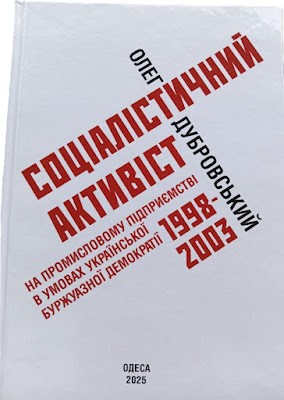
Three years later, I returned to this plant because a new administration had come in, which was in dire need of qualified pipe rolling staff, because after the defeat of the strike, the plant had worked for almost three years(!!!) without paying wages to the workers, and most of the 1990s-style workforce had quit during this time. This administration “turned a blind eye” to the “wolf ticket” issued to me by the previous administration, although it set a condition for my return – “no political activity and no attempts to organize workers”. I returned, but after what happened in January 1998, it was unacceptable for me to rejoin the “official” trade union. This was a fundamental moment. All these vicissitudes with my return to the pipe plant are described in detail in my book “Socialist Activist at an Industrial Enterprise under the Conditions of Ukrainian Bourgeois Democracy. 1998 – 2003”.
And from September 1996 to January 1998, I was an ordinary member of the PMGU (Trade Union of Metallurgists and Miners of Ukraine), but I constantly carried out socialist propaganda and agitation activities, organically combining it with trade unionist activism. By the way, I recently made some remarks to the editorial staff of "Spilne" about the fact that trade unionism and trade union activity, as such, are not identical concepts.
The official trade union was completely inactive, and I tried to replace this inactivity with my activism, because all its structures were fictitious. There was a fictitious grassroots trade union active and the complete inactivity of the puppet factory trade union committee.
Question: Can you briefly describe how the official trade union changed from the beginning of your activities until 1998?
O.D.: The structures of the “official” trade union were transformed within my powers (as a person elected to certain trade union positions) only thanks to me. It did not change at all. I have a whole block of articles about the situation in official trade unions in the 1990s and early 2000s. There is a rather large article with an analysis of the general breakdown of the FPU (Federation of Trade Unions of Ukraine; the FPU is the direct legal successor to the Soviet-era official trade union council in Ukraine. After the collapse of the Soviet Union, it inherited the vast majority of the old state union infrastructure, real estate, and membership base), but it still needs to be typed in electronic form. The FPU changed only in the direction of its further breakdown and reduction of membership. In the mid-90s there were 16 million members, and by the end of the 90s there were less than ten million left. And then in the 2000s this trend continued. Now the newly elected head of the FPU, Byzov, declares the number of FPU members at only 2,600,000.
Question: The book “Socialist Activist at an Industrial Enterprise in the Conditions of Ukrainian Bourgeois Democracy” talks about the lack of revolutionary traditions and the formation of a new proletariat. The worker, not receiving a salary for a whole year, had other income: from the garden, theft from the factory. Was this one of the most important factors of passivity?
O.D.: Absolutely. This is an incompletely formed proletariat. In the book I gave a whole list of terrible facts, how a worker, not receiving a salary for a whole year, works more productively than when he received it on time. He should have died of hunger a long time ago, but he works. His production standards are increased and he fulfills these standards, not receiving a salary for a whole year. He lives off the vegetable garden, the dacha, the support of relatives. For example, a woman works, and he does not receive a salary for a whole year.
First of all, it's the village, the gardens, the dachas. He hasn't yet cut off his rural umbilical cord. Every weekend he would travel en masse to the village on trains, work in the garden, and then return to the city for five days to work without pay.
1999, 2000. A year-long delay in wages at Dnipro factories was a common occurrence. At that time, there were 140 industrial enterprises in the city, including several very large factories, but there was not a single strike, let alone a city-wide strike, over this mockery of the industrial proletariat. This proletariat sought to work obediently, without receiving a salary and hoping for a “better future,” because someday this “salary will be paid anyway.” This is one of the most important factors – an incompletely formed proletariat with petty-bourgeois roots, with a predominantly petty-bourgeois consciousness. As long as the worker has not cut off his relations with the village, as long as he has the opportunity to exist on more than one salary, his passivity will be largely determined by this factor.
Question: Regarding the break with revolutionary traditions. We have a level of politicization in the late 80s, certain explosions of activity in the late 80s and early 90s. What about these traditions?
O.D.: There are no traditions, no revolutionary traditions, and there never were. There is no need to have any illusions.
Question: But why didn't the level of politicization of the 90s have any impact?
O.D.: During the so-called "perestroika", which in 1989 grew into a bourgeois-democratic revolution, industrial workers remained the most conservative class of society. The petty bourgeoisie was agitated, the intelligentsia was agitated, the bourgeoisie class began to form very actively. And the working class remained the most conservative. During the explosion of the miners' strike struggle in 1989, passivity reigned in other sectors. The greatest social stagnation was precisely in the working class. When during "perestroika" the pressure of the totalitarian regime was significantly weakened, a certain awakening of society affected industrial workers the least, probably as well as the collective farm peasantry.
Question: Regarding the Maidan of 2014. We see a rise in political self-organization. Why are people speaking out? What are the reasons for this rise?
O.D.: In Dnipro, there was a very negative attitude towards the Maidan. If there was an upsurge, it was an upsurge of separatist pro-Russian sentiments. There was no upsurge of class consciousness, no germs of proletarian self-organization. Among the workers, a very negative attitude towards the Maidan prevailed. Even during the Orange Revolution of 2004, there was real hysteria in the working-class environment of Dnipro regarding support for Yanukovych and an extremely hostile attitude towards the “Orange Revolution” prevailed, which organically combined with separatist sentiments. How these sentiments were reflected in the social behavior of industrial workers at the end of 2004 is described in my book. And during the Maidan of 2014, separatist sentiments again prevailed.
In Kyiv, among the city's population, yes, there was a certain level of self-organization. In Dnipro, in March 2014, the Self-Defense was created by the center of the right-wing radical party "Svoboda". I took part in it, I have a membership card of a member of this Self-Defense under No. 8. In general, for a city like Dnipro, this self-defense was very small. In a city with a population of over a million people, 300,000 residents live on the Left Bank of the Dnipro, and on this Left Bank of the then Dnipropetrovsk, the "Svoboda" self-defense had only 80 people in its composition. On the Right Bank of the city, of course, the number of Self-Defense fighters was greater, but I do not know the exact number. In April 2014, checkpoints were set up east of Dnipropetrovsk. The “Svoboda” self-defense held one of these checkpoints, but on weekdays there was always a problem with manning the checkpoint’s garrison, which consisted of only 15 people, and therefore every night the Dnipropetrovsk branch of the “Right Sector” sent reinforcements to the checkpoint. Taking part in this paramilitary formation alongside the “Svoboda” and “Right Sector” members, I had no ideological reservations about it. As a Ukrainian socialist, it didn’t matter to me which volunteer formation to join in order to defend Ukraine’s independence. The “Svoboda” self-defense did not last long; it disintegrated in July 2014, mainly because volunteer battalions had already been formed in Dnipropetrovsk by that time: Dnipro-1 (equipped and armed with funds from the famous oligarch Kolomoisky), Dnipro-2, and “Sicheslav.”
Remark [A.Z.]: But this is a self-organization not of the working class, but of other strata, the petty and middle bourgeoisie.
O.D.: Yes, the petty bourgeoisie and the middle bourgeoisie. People joined at the level of the rise of national consciousness from different strata of the population. But among the workers' collectives, the mood of pro-Russian separatism prevailed. In my book (regarding the situation around the Maidan in 2004) I described the statements of the workers who said, “Now we will crush Bandera's Kyiv and make Kharkiv our capital.”
Question: From those who participated in the Maidan, I often heard about the feeling of failure, the inconsistency of the consequences with expectations. The great upsurge was not justified by the consequences. Did you have that feeling?
O.D.: In general democratic terms, yes. When the Maidan Council elected the ministers of the interim government right in the open winter air, in front of a huge crowd of Maidan supporters, it was an inspiring example of direct democracy. Then everything was transferred to the channel of the bourgeois parliament. The Maidan Council was unable to prove, confirm, and maintain its own revolutionary legitimacy and therefore disappeared from the political horizon under pressure from figures from the parliamentary opposition and European emissaries. The epicenter of the post-revolutionary reformatting of the Ukrainian bourgeois state was transferred to the parliament. European emissaries and leaders of the parliamentary opposition to the comprador regime of Yanukovych instilled in the Maidan activists that the parliament was the only legitimate platform for resolving all political issues. The Maidan Council demonstrated its own political incapacity and disappeared from the socio-political horizon.
Question: Regarding war. Isn't full-scale war a catalyst that organizes the proletariat?
O.D.: No. Under the pressure of inexorable time, that is, under the pressure of age and health, I have already broken away from the proletariat, I no longer have direct, living contact with the working class, but as far as, indirectly, I observe public sentiment in the proletarian environment, I do not notice any such tendencies. At the beginning of the Great War, there was a general inter-class consensus, the mass of people moved to the military enlistment offices. Territorial defense units were formed improvised and very quickly right at the level of the military enlistment offices (a voenkomat (military enlistment office) is the regional administrative hub responsible for conscription, mobilization, and military record-keeping, a direct inheritance from the highly centralized Soviet military system). This was a movement at the level of the rise of national consciousness, which became the basis of a temporary inter-class consensus. But there was no independent, properly proletarian movement. In no case did a full-scale war become the factor that organized the proletariat. So the volunteer movement during the Little War was mainly a movement of the petty and middle bourgeoisie, people who had the material means to do something to resist Russian aggression, primarily in the form of material support and the supply of everything necessary for volunteer battalions.
Question: You participated in the Ukrainian Volunteer Army. What is the origin of the fighters, also from different backgrounds?
O.D.: I can talk about the units of the Volunteer Ukrainian Corps (DUK) “Right Sector” (PS), in which I had to fight a little on the front line during the small war in Donbas, and about the Ukrainian Volunteer Army (UDA), as a splinter from the DUK PS, in which I had to participate in the big war with the Muscovites already at the level of rear supply and maintenance units. The rank and file consisted mainly of young people, who are now fashionable to refer to the so-called precariat. That is, these are people who worked in various professions without a permanent specialty. I would not say that I am a supporter of the term precariat, perhaps we can say that it is lumpen proletariat. These are young people under 30, who were mostly still not oriented in life, without a specific profession, who knew a little bit about everything, who in civilian life had already worked for various private owners in a variety of areas. Well, and, of course, without any class consciousness.
Question: Did you talk to them about the war, about the government? The oppression by the officers, for example?
O.D.: It is necessary to understand that in volunteer units there can be no talk of oppression by officers. There are no officers there at all. There are commanders who have come forward thanks to their military talents, thanks to their ability to fight. It is necessary to understand that people in such volunteer units fight without a salary. People are independent. I wanted to - I arrived, joined the unit, then there was some acute conflict with the commanders - I turned around and went home. Because there are no contracts, no salaries. Volunteer units are a completely different atmosphere than in the Armed Forces of Ukraine. Everything there is based on informal relations.
Question: Doesn't electing commanders breed anarchy and destroy discipline?
O.D.: I have never witnessed the elections of these commanders. I knew that they had once put themselves forward, because they had been fighting since 2014. In 2014-2015, they were still ordinary fighters, but thanks to the strict selection carried out by the war, they later became commanders. And how they were approved, how they were elected, I do not know. I would come, and they would tell me, here is the position leader. Or, - here is the platoon commander, here is the deputy battalion commander for combat operations, and this is the deputy for logistics. Well, as I say, there are informal relations, and there could be no talk of any oppression. Precisely because there are no contracts. No salary. People are independent.
Question: But are all these dobrobats (volunteer units) gradually included in the general hierarchy of the Armed Forces of Ukraine?
O.D.: Even during the small war in Donbas, the vast majority of the dobrobats, and there were several dozen of them at the beginning of 2014-2015, were gradually either disbanded, or incorporated into the structures of the Armed Forces of Ukraine. The leadership of the Ukrainian state, the leadership of the Armed Forces pursued a targeted policy on the deployment of the volunteer movement. This policy yielded results. The dobrobats were tamed by supplying ammunition, weapons, food, well, everything, because the supply and provision of the dobrobats depended, and still depends only on volunteers. We ate whatever the volunteers brought, everything necessary for life at the front also came from volunteers. Ammunition and weapons in general are a separate topic. During the positional war, they were obtained through informal connections in the units of the Armed Forces of Ukraine.
Volunteer units, despite the fact that they participated in the war since the spring-summer of 2014, had the status of illegal armed formations for a long time. Only in January 2020 did the parliament adopt a law that legalized the existence of volunteer units, and on the basis of this law, volunteers began to be issued Combat Participant certificates or UBD (UBD is an official, highly coveted government status awarded to military personnel and law enforcement officers who have actively participated in combat operations. It is the direct equivalent of receiving official Veteran status in Western nations, such as the United States or the United Kingdom. Holding a UBD certificate grants the veteran and their family significant state benefits, including substantial discounts on utility bills, free public transportation, priority medical care, and specialized land or housing allocations as a token of national recognition). Before that, there was no UBD at all. By the way, I still do not have a UBD, because it was impossible for me to issue it according to the algorithm prescribed in this law. But I do not care about this, because I did not fight for UBD or for some other benefits. I fought for Ukraine, for its independence from the Russian Empire, without any salary.
I can also give such an interesting example. Summer 2017. We are the two of us with the driver, who was Russian by origin, but back in 2008 he fought on the side of Georgia against the aggression of Russian imperialism, and since 2014 he has been fighting for an independent Ukraine, we are driving from Novogrodivka, there is a mining town in Donbas, not far from Pokrovsk. We are driving to the positions of the DUK PS in Maryinka. Maryinka is a satellite city, you could say, a suburb of Donetsk, the front line passed there. And we are carrying a repaired machine gun in this car. It is hidden in the cabin, covered with some junk. To get to the front line, we need to drive through several of our checkpoints, which were manned by the National Guard. And the attitude of the volunteers towards the National Guard was very bad at that time, the volunteers called the National Guard Nazis. And it was not on the front line, it occupied only three lines of checkpoints in the Donetsk region - between the front line and generally acceptable civilian life. We go and know that if the National Guard sees this machine gun, we will be detained, the machine gun will be confiscated and a showdown will begin. If some superiors from the National Guard wanted, this would be a criminal article for us. Therefore, so that they would not start looking after our car, when we drove up to the checkpoint, the driver would immediately start a friendly conversation with the National Guardsmen on duty at it, which he would start by immediately taking out a pack of cigarettes or packets of tea or coffee, which he handed to these soldiers. And so it was at every checkpoint until we drove to our positions.
Another example. Near Avdiivka, 2018. At the front, our unit held its position based on purely informal agreements. Let's say, a certain position must be held by a ZSU (Armed Forces of Ukraine) platoon. According to the staff, there should be 30 fighters in a platoon, but in fact there are 5 fighters in this platoon instead of 30. How can it hold this position around the clock? Our command informally reaches out to the commander of this platoon. And agrees with him that we will hold this position at night, every day, and the ZSU soldiers will be at this position during the day. The company commander, as these soldiers said, is drinking somewhere in the rear, he appears at the position very rarely (A platoon is a small unit typically consisting of twenty to fifty soldiers, which is then grouped into a larger company containing several platoons). On the front line, there are only platoon commanders of officers. Therefore, they did not know about us even at the company level, or maybe they did know, but they simply turned a blind eye to the presence of a small illegal armed formation, which, moreover, performed useful functions on this section of the front. We lived in a fairly looted restaurant and hotel complex "Kurin", near the highway from Kramatorsk to Donetsk. There were no drones then. We defended, froze, got tired, staying in position all night, but after the shift we moved one and a half kilometers from "zero line", to this two-story house, and there was a stove, it was warm there, it was dry there, so we lived, as for front-line conditions, very comfortably. When any commission from above approached the location of the ZSU soldiers, we were informed about it in advance and we locked ourselves in this house, did not come out, so that none of the visiting ZSU commanders would find out that we were here. That is, our unit was at the front at a purely partisan-informal level, and ammunition was obtained only at the level of contract workers, because the Armed Forces of Ukraine had a lot of illiquid ammunition, and they exchanged it with us on the principle of "you give me, I give you."
Question: Why did people, despite these difficulties, still choose dobrobats instead of the Armed Forces of Ukraine?
O.D.: Informal relations. The volunteer units did not have that army stupidity that the Armed Forces of Ukraine adopted from the Soviet Army.
Question: Did you serve in the Dnieper Guard (**)? Is that also a dobrobat?
O.D.: In principle, it was a dobrobat. Again, people from different strata of the population gathered, from workers to the middle bourgeoisie. Everything was organized on voluntary principles.
Question: There were no conversations with them about their vision of the war, the geopolitical situation?
O.D.: Unfortunately, there was absolutely none. I did not observe any interest in these problems. The fighters were not even interested in the course of the war on other parts of the front, in political problems. In their free time, they watched pop entertainment information, Tik-Tok on their smartphones. They were not interested in anything. The only positive thing I saw, as a militant atheist, was this religious junk, gospels, Bibles, prayer books, crosses, icons - all this junk did not interest anyone, despite the observance of external rituals on religious holidays.
Question: Regarding Ukrainian leftist groups. Do you follow, say, Narodovladdya, Sotsrukh, or Zakhyst Praci?
O.D.: I try to follow some of them. Although I don't follow Narodovladdya.
Question: Can you describe the development of left-wing groups in recent years?
O.D.: And was it, this development? Well, I met the group "Spalakh". I don't understand, though, what caused the split with the Ukrainian Socialist League. And I had a difficult relationship with Oleh Vernyk back in the 90s, that is, there was a very sharp correspondence. I have no idea what the "Ukrainian Socialist League" (the Ukrainian section of the International Socialist League/LIS) is, but it seems to me that it is just a virtual community that carries out its activities in Telegram.
I don't like the "Sotsrukh" because of its ideological vagueness and lack of doctrinal clarity. It seems to me that they deliberately avoid this.
Question: What is the sharpness of the correspondence with Oleh Igorevich?
O.D.: It was 30 years later. I criticized Vernyk and his then very young associates for their enthusiasm for the Progressive Socialist Party of Ukraine (***). They believed that in this party of Mrs. Vitrenko there were activists of the Marxist type who could be attracted to the Trotskyist movement. I tried to prove to them that the PSPU was an extremely reactionary political formation; they did not agree and, as is unfortunately often the case in our leftist environment, Oleh Igorovych, then also a very young Trotskyist, conducted this polemic in a rather unbridled style, turning to personalities. They had many harmful illusions on this occasion. Later, no longer in the format of direct correspondence, I said a lot about the deception to which our Western comrades were subjected by Vernyk and his company. I believed that he did more harm to the Trotskyist movement here than all his other opponents combined. I know about all these scams of money from Western comrades, I know all that. But that was back then, it was so long ago that Vernyk must have already corrected himself, repented of his sins, so to speak. And I have had no complaints against him for a long time, and the fact that he created the Ukrainian Socialist League and ideologically opposes the red chanters of Russian imperialism is very positive.
Question: You haven't been in touch with them for 30 years?
O.D.: With whom? Young associates of Vernyk from the mid-90s – after our correspondence at that time, I never again encountered these names in the context of the Ukrainian left movement. Apparently, these people have already forgotten that they were Trotskyists in their youth. I have not communicated directly with Oleh Igorovych since then.
Question: Do you follow the wars in the Middle East? Can you describe the war with Iran, Lebanon, and Palestine from your perspective?
OD: First of all, the Palestinian supporters forget that the Palestinians and their Arab allies do not recognize Israel's right to exist. They talk about destroying Israel. Almost all Palestinian organizations and their main curator in Iran do not recognize Israel's right to exist.
Well, Mahmoud Abbas and the Palestinian Authority recognize it. Fatah did not recognize it for a long time, then it began to recognize it. But from the very beginning, for decades, the main ideological guideline was not to recognize Israel's right to exist at all. The Palestinian problem can never be solved this way. In general, Israel cannot be demonized. From an unbiased point of view, the Arab-Iranian opponents of Israel look much more "demonic". When Western leftists write about Israel that it is only "an imperialist enclave acting as a gendarme against the germs of the Arab revolutionary wave in the middle of a strategic region, because of its oil fields," this is a false position.
Question: Would you advise Israeli and Palestinian communists to strive for a two-state solution, the coexistence of Israel and Palestine?
OD: The Israeli and Palestinian communists have a classic answer – to overthrow the bourgeoisie. An international alliance of working Palestinians and Israelis will overthrow the bourgeoisie there and there. But this now sounds like a general meaningless ritual phrase.
Question: But that would be left-wing fantasy?
O.D.: Yes, now it's left-wing fantasy.
Question: Should the transitional program achieve certain democratic gains?
O.D.: I'll find something about this. (reads):
The founding of Fatah by Yasser Arafat in the 1960s responded to this need to destroy Israel, expressed by the slogan "for a bright, democratic, non-racist Palestine" and its policy of fighting for the destruction of Israel. Leftists of the world are obliged to take a clear position in relation to what is happening. For us, in this conflict, on the one hand, imperialism, (comments: It is not clear, which one?) Israel and its collaborator agents, and on the other hand the Palestinian masses fighting for liberation. Therefore, there is no doubt for us. We are completely on the side of the resistance, regardless of its leadership. We are definitely in the military camp of Hamas. What does this mean? We stand for his victory in the struggle against the collaborationists, because this military camp is today the camp of the Palestinian masses and their struggle against oppression." (****)
Well, I believe that this is a fundamentally wrong position. What kind of struggle against oppression do they have, led by Hamas? What kind of oppression? Capitalist or national or what kind of oppression? What kind of liberation struggle against oppression can we talk about, led by Hamas?
Question: Can't we draw a parallel with Ukraine, where other segments of the population are fighting under the leadership of a non-working class, but we support this struggle?
O.D.: There can be no talk of a workers' leadership now. These are general empty phrases. So far, there is an inter-class consensus on the national liberation struggle, which is weakening, which is collapsing due to the internal policy of the Ukrainian bourgeois state. The national liberation struggle is usually carried out by a class bloc under the leadership of the bourgeoisie, because the tasks of this struggle, the construction of national states of oppressed nations - all this is solved precisely within the framework of bourgeois society. When the tasks of the national liberation struggle are solved, this bloc naturally disintegrates and the class struggle unfolds, which during national liberation struggles is always in a suppressed state.
I don't see any parallels between the Ukrainian struggle and the Palestinian struggle. Ukraine has its own nation-state, fighting off the onslaught of Russian imperialism. Israel holds some Palestinian territories. Nearby, there is a Palestinian Authority on the West Bank. What parallels are you talking about? I don't understand.
Question: You don't consider the Palestinian struggle as a national liberation struggle?
O.D.: Why? I think so.
Question: So, can we draw a parallel – the national liberation struggle there and here?
O.D.: Yes, there is a national liberation struggle there and we have a national liberation struggle.
Question: But why do you deny Hamas leadership? What kind of struggle can there be under Hamas leadership?
O.D.: When they write about the fight against oppression. What oppression – social or national? What can be the fight against social oppression under the leadership of Hamas?
Question: And the national one?
O.D.: They hold a national one, of course. I was only mentioning social oppression. In general, it seems to me that the left on an international scale has made a kind of fetish of the Palestinian struggle. But for some reason they ignore, or almost ignore, other national liberation movements. Even the struggle of the Kurds, who are nearby, in the same geographical region and are being waged in more difficult, sometimes completely catastrophic conditions, does not attract the attention of the left that the struggle of the Palestinians has attracted for several decades. Why do the left not pay attention to the situation of Uyghuristan, which is under terrible pressure from the most powerful, most cruel totalitarian regime of our time, which is called the People's Republic of China? Why do the left never mention the national liberation struggle of the Tamils in Sri Lanka? One could write as much as one wanted about Hamas, about Fatah, about the Palestine Liberation Organization, but did the left ever mention the heroic struggle of the Liberation Tigers of Tamil Eelam?
Question: Regarding the struggle of Iran under the religious leadership of the mullah regime against the Americans or Israel. Can we draw a parallel?
O.D.: It is difficult to think of anything worse than a theocratic regime. If we draw an analogy with the Korean War and the founding of the DPRK, I take a Shachtmanist position. The expansion of Stalinism should have been stopped on the Korean Peninsula and it was stopped. But North Korea remained. It would be better if American imperialism crushed it, because it is the scum that all bourgeois propaganda refers to when trying to discredit communism or socialism. I agree with the position of Max Shachtman's Workers' Party, which fought Stalinism. This position is that it would have been better if North Korea had been crushed during the Korean War, even by the forces of American imperialism. So during the current US war with Iran, it would have been better if the US had destroyed this regime and some kind of bourgeois democracy had been established there, even if it was a bad comprador regime.
Question: But is this a benefit for the world proletariat?
O.D.: I would consider the defeat of North Korea useful for the general struggle for socialism. The discrediting of socialism by bourgeois propaganda has a powerful example, because there is an opportunity to point out - this is what communism leads to! And the theocratic regime is the Middle Ages, a horror that must be destroyed. This is from a generally democratic point of view. I may be wrong, but this is my position.
Question: Some time ago, I had a dialogue with a person who calls himself a Marxist. He said that Ukraine has such a rotten corrupt regime that the communists cannot support the struggle under the leadership of Zelensky. In short, where is the line? In which case can Marxists support, in which case do Marxists say no, this is too much, we are already giving up?
O.D.: First, this is an inadequate comparison of the theocratic regime in Iran and Ukrainian bourgeois democracy. There has always been more bourgeois democracy in Ukraine than in all other former “Soviet” republics, perhaps with the exception of the Baltics. If we stand on the side of the Ukrainian national liberation struggle, we must understand the intentions of the Russian Empire. The Russian Empire wants to assimilate, absorb, dissolve Ukraine and Ukrainian identity. If we stand on the side of the Ukrainian national struggle, we must start from reality. The struggle is being led by the bourgeoisie, and there is and cannot be any other leadership in our realities. The proletariat, as this article by Comrade Krytsa says, is in a pitiful state, so what kind of proletarian leadership can we talk about?
Question: And if we start from the reality in Iran, how can we talk about non-religious leadership in the Middle East, if there are no alternatives there either, there is no opposition in Iran?
O.D.: There was a powerful opposition to the mullahs' regime in Iran. First, the question of why the bourgeois-democratic revolution in Iran, in which the working class played a leading role, turned into a theocratic reaction to the so-called "Islamic revolution" has not been clarified. This is a complex polemical question. There was a split in the Trotskyist camp on this issue. Part of the Trotskyist tendencies supported the Khomeini regime, pointing primarily to its orientation against American imperialism. The second part opposed this regime, emphasizing that it was a cruel ideological and social reaction. The Khomeini regime destroyed the left opposition. But why did the mullahs manage to saddle the masses? This question needs to be developed. There was a bourgeois democratic alternative to the theocratic regime.
Question: And if there were no alternative, would we consider it differently?
O.D.: If the regime had been destroyed during the confrontation with the States, an alternative would have emerged. We can draw parallels with Afghanistan. During the Soviet occupation, there were cultural achievements - universal education, the emancipation of women, the Europeanization of urban life. The same was true during the American occupation. And the Taliban brought the horror of the Asian Middle Ages. This is a complex question about the civilizational mission of the colonialists. We observed this in Africa. When the colonialists left the colonies, tribal massacres began there. Compare Afghanistan and Iran, which are located nearby. Iran is more developed, Afghanistan is backward. The American and Soviet presence brought positive cultural factors. We cannot ignore the horror that the Taliban brought after the Americans left.
Question: This is a complex question. We have some guidelines, principles by which we distinguish the situation. Isn't such a guideline, which Lenin used, a benefit for the world proletariat?
O.D.: At such a general level, I believe that for the world proletariat, every rise in culture, the overcoming of tribal and feudal relations, the development of capitalism is beneficial. This is, first of all, the rise in the cultural level of the masses, the most important issue.
Question: I don't get it. We're talking about Ukraine, about the Russian empire, about the consequences of the seizure of Ukraine and the dissolution of identity. But we're talking about the complete passivity of the working class, its disinterest in Ukrainian identity, language. Why is this one of the principles of support?
O.D.: Without solving the problems of the national liberation struggle, it is impossible to advance the social liberation struggle. As long as national oppression exists, it is impossible to develop the struggle for social liberation. First, we solve the problems of national oppression, and then the opportunity opens up to develop the class struggle, the struggle for social liberation. A classic example is the Irish question in Britain. Marx and Engels said many times that as long as the Irish are oppressed, as long as they are exploited as second-class people, there can be no talk of any social liberation in England. First, the Irish question had to be solved.
Question: But the US and Israel are violating Iran's sovereignty and interfering in its internal affairs. Isn't this the task of national liberation for the Iranian people?
O.D.: I believe that the American aggression against Iran has undermined the potential power of mass protests against the mullahs' regime. Trump promised to help the Iranian protests. They could develop into a bourgeois-democratic revolution. But as soon as this war began, I immediately said that it would undermine these protests.
Question: So we see a temporary alliance of different segments of the population in a national war?
O.D.: Yes, yes. The protests stopped almost immediately. People united under the national slogan of resistance to American imperialism. If American "democratic imperialism" really intended to support the protests, then it should have helped in another way, not through armed aggression. Now Trump is no longer talking about supporting these protests but is trying to come to an agreement with the mullahs.
Question: What then will be the progressive role in the US victory against the national alliance in Iran?
O.D.: The progressive role will be if the theocratic regime is abolished. Theocracy is the Middle Ages, which should not exist in the modern world. This is a terrible reaction.
For example, Tibet - there were terrible conditions under the Dalai Lama. The Chinese Maoists, having occupied Tibet, destroyed these horrors. They destroyed the theocratic regime, brought some progress. But the Western imperialists support the Dalai Lama politically, considering this support as an instrument of some kind of pressure on the PRC. This is a complex issue about the civilizational mission of the colonialists. Every phenomenon consists of the unity of contradictions. The fourth law of dialectical materialism is the unity and struggle of opposites. Every phenomenon must be considered in this light.
Question: Do you think American troops are the lesser evil in Iran relative to the theocracy?
O.D.: I think so.
Question: So we support the lesser evil of Americans?
O.D.: Not necessarily to support. We are not faced with such a choice. In World War II in Europe there was a specific choice – Americans or Nazis. The majority of the resistance movement, led by the left, supported the Americans.
Question: In your opinion, how likely is Ukraine's defeat in a modern war?
O.D.: Ukraine's defeat in the war with the modern Russian Empire is inevitable if a compromise is found between Western and Russian imperialism at the expense of Ukraine.
Question: What will you say to left-wing populists that speak about the risk of establishing a far-right dictatorship in Ukraine?
O.D.: The development of the far-right movement, the far-right Nazi dictatorship, which, as comrade Stanislav mentioned, the “Workers’ Front” (*****) scares us with, and some other red undertones of Russian imperialism, will be possible only when the big Ukrainian bourgeoisie begins to invest in the far-right movement. And it will begin to invest in it only when its profits are threatened by a powerful workers’ (or general proletarian) movement of a socialist hue.
The big bourgeoisie will need the far-right movement to neutralize the labour movement, which in its development will already interfere with “normal” business conduct. This is, so to speak, a textbook case.
In addition, the Ukrainian far-right could become a real threat to bourgeois democracy on a societal scale if they restructure their ideology – from radical nationalism, which barely touches on social issues, to national socialism, which would call on the disadvantaged Ukrainian masses to solve social problems at the expense of Jews, Russians, Poles, and other national minorities.
If these conditions are not formed, the Ukrainian far-right will continue to be on the margins of Ukrainian politics.
-----------------------------------------------------------------------------
Spalakh Editor's notes:
* We are probably talking about the "closed city" of Dnipropetrovsk, which was the center of the USSR's rocket industry. In other cities of that time (the 1980s), there were usually no KGB regional departments, there were only regional departments and city departments in cities of republican subordination, and at the district level there were district KGB commissioners.
** Dnieper Guard is a voluntary formation of a territorial community (DFTG) of the city of Dnipro in 2022-2023.
*** Obviously, we are talking about 1998. O. Vernyk's cooperation with the PSPU was rather short-lived. For much longer – from 1994 to 1998 – he was a member of the Socialist Party of Ukraine, which was headed by O. Moroz. In 1998, O. Vernyk was expelled from the party and the Political Council of the SPU.
**** The above quote is taken from the magazine "Pod'em" - published as a special limited edition of the newspaper "In the Fight for Socialism", No. 2 for 2007, an anonymous article "What the clashes between Hamas and Fatah are talking about". It expresses the positions of the Trotskyist tendency of the MLT (LIT) of the Fourth International (the so-called Morenists).
***** “Workers' Front of Ukraine” is a Stalinist organization.
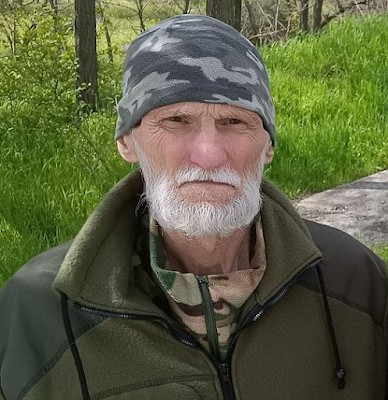
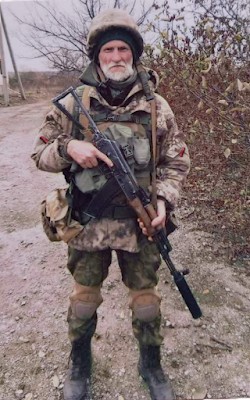
«Ніяких революційних традицій немає і не було». Інтерв'ю з Олегом Дубровським
Пролетар України, пʼятниця, 26 червня 2026 р., https://proletar-ukr.blogspot.com/2026/06/blog-post_26.html?m=1
Інтерв’ю з ветераном робітничого руху в Україні Олегом Дубровським про те, як змінювалася свідомість робітничого класу України від часів Радянського Союзу до сьогодення. Як вплинули на цю свідомість події Майдану 2013 – 2014 років та російсько-української війни? Яке зараз ставлення соціалістичного активіста до лівих рухів та організацій, до воєн і конфліктів у глобальному світі?
Олег Борисович Дубровський (нар. у 1955 р.) за основним фахом трубопрокатник шостого розряду, починав свою діяльність ще в часи режиму КПРС та пройшов ідейну еволюцію від анархо-синдикалізму через троцькізм до української соціал-демократії, в 1990-х роках був організатором восьми страйків на промислових підприємствах міста Дніпропетровська (нині – Дніпро), був двічі звільнений із роботи з так званим «вовчим білетом» (ст. 40 Кодексу законів про працю), піддавався адміністративному та поліцейському тиску тощо. Під час «малої війни» на Донбасі, що почалася в 2014 р., та повномасштабної російсько-української війни, розпочатої в лютому 2022 р., Олег Дубровський брав участь у відбитті російської збройної агресії в складі українських добровольчих формувань.
Записано в місті Дніпро у квітні 2026 р. активістом групи «Спалах» товаришем Станіславом.
Питання: Я спочатку хочу поговорити про минуле, про минулий досвід. Скажімо про боротьбу за умови сталіністського режиму. Як ви бачили, що ви можете сказати про рівень класової свідомості, соціалістичної свідомості на підприємствах, рівень класової боротьби тоді, як він трансформувався? Може, він підіймався, чи можливо він якось відрізняється від сучасних умов?
О.Д.: Якщо починати з 70-х років чи з початку 80-х років, то беру свій досвід від загального рівня робітничої свідомості. Які активісти в умовах 70-х років?! У чому мав полягати тоді робітничий активізм, коли все було заформалізоване, забюрократизоване в структурах офіційної квазі-профспілки, комсомолу та парторганізації КПСС? В умовах тоталітарного режиму відкритий робітничий активізм, який мав би альтернативний до згаданих структур характер, був неможливий. Класова свідомість? Загальне враження залишилось таке, що класової свідомості майже не було. Робітництво було аморфною масою, що була класом лише як об’єкт експлуатації. Це був «клас у собі». Як казав Маркс, «панування капіталу створило для цієї маси однакове становище та спільні інтереси». Але усвідомленню цих спільних інтересів істотно заважала атомізація суспільства – власне робітничого колективізму не було. Колективізм накидувався тільки згори, – бюрократично, в рамках вище згаданих структур. Соціалістична свідомість на підприємствах у тому сенсі, у якому ми це розуміємо? Про це стосовно умов 70-х – 80-х років взагалі смішно казати. Мала місце, так би мовити, спотворена соціалістична свідомість, вплив якої відчувається навіть зараз і яку можна визначити як державний патерналізм, що, як ми розуміємо, не має нічого спільного з соціалізмом. А що панувало, так це індивідуалістична дрібнобуржуазна свідомість. Пристосуватися та грести під себе! Загалом, незважаючи на усі потуги тоталітарного режиму, на властиву йому інформаційну блокаду суспільства, навіть у такому «закритому місті», як Дніпропетровськ, робітники вже у 70-х роках були засліплені західними споживацькими стандартами. Про рівень класової боротьби і про те, як він трансформувався протягом 70-х – 80-х років нічого сказати не можу, бо тої боротьби не було. Але якийсь соціальний спротив все ж такі був, але це були його найбільш примітивні та деструктивні форми: плинність кадрів; пияцтво; крадіжки… На початку 80-х пияцтво серед дніпропетровських робітників набуло характеру справжньої епідемії.
Питання: На підприємствах працювали так звані агітатори, які вели пояснювальну діяльність. Як це функціонувало?
О.Д.: На підприємствах КПСС проводила постійно та наполегливо пропагандистську роботу. Були обов'язкові політінформації та політзаняття для робітників. Усі робітники залучалися на відкриті партійні збори КПССівських заводських парторганізацій. Були закриті збори тільки для членів КПСС, та відкриті партійні збори, на яких в обов'язковому порядку мали бути присутніми усі робітники. На політзаняттях був план, який визначав теми цих занять на кілька місяців наперед. Цей план розміщався на дошках наказів та оголошень у кожному виробничому підрозділі, тобто знаходився у цілком вільному доступі. Заняття провадили члени КПССсівського парткому, вони ж адміністратори з вищою освітою, у порядку «партійних навантажень». Також приїжджали так звані пропагандисти та лектори з райкому КПСС, які читали лекції та намагалися викликати обговорення.
У 70-ті та 80-ті роки все це дедалі більше розкладалося та формалізувалося. Робітники відчували відчуження від цього процесу. Вони відверто нудьгували або просто спали у той час, коли пропагандисти намагалися їм щось втокмачувати про «політику партії», про те, що вони є «передовим класом», який «будує комунізм». Лише адміністративний тиск забезпечував присутність робітників на цих заходах з ідеологічної обробки . У другий половині 70-х років, коли не можна було вступати у, так би мовити, відкриту ідейну боротьбу, я ставив перед собою задачу краще знати історію КПСС, ніж райкомівські пропагандисти, щоб публічно, на цих заняттях, задавати їм незручні питання про історію цієї партії та розвінчувати недоречність їхніх ідеологічних штампів, а вони не знали, що відповісти, щоб не вийти за рамки тодішніх ідеологічних вимог. У ті часи вже згаданої інформаційної блокади суспільства з боку КПССівського тоталітарного режиму, головним джерелом альтернативних знань з історії КПСС для мене були стенографічні звіти конференцій та з’їздів РСДРП – РКП(б) – ВКП(б), які я почав читати ще під час моєї служби у лавах «Радянської» армії.
Загалом, 70-ті та початок 80-х років носили відбиток загального суспільного розкладу. Скрізь панувало відчуження до будь якого офіціозу та подвійні стандарти . Робітники були відчужені від виробничого процесу та результатів своєї праці. Водночас для мене було зрозуміло, що КПССсівська пропагандистська машина теж працює на «холостих оборотах». Я бачив, що оті «комуністи», які провадили ідеологічну обробку робітників, самі не вірили у те, що казали та відчували, що «товчуть воду у ступі». Панував відвертий формалізм. Це було типово для кінця 70-х та початку 80-х років.
У той час я знаходився під впливом ідей «робітничої опозиції» у РКП(б), з позицій якої намагався аналізувати «радянську дійсність» та був дуже захоплений польською «Солідарністю», її розвитком, її боротьбою з режимом ПОРП. Вже потім я завжди казав, що як робітничий активіст, я сформувався під впливом саме польської «Солідарності». У 1980-му році та пізніше «радянські» ЗМІ провадили шалену пропагандистську атаку проти «Солідарності». У той же час я на своєму рівні, а це був рівень однієї бригади, максимум рівень одного цеху, намагався провадити контрпропаганду, розповідаючи колегам про те, чим дійсно є «Солідарність» та за що вона змагається з режимом ПОРП. Іншим елементом моєї «антірадянської агітації» була агітація проти інтервенції «СССР» у Афганістан. Це були дві основні теми і доволі скоро я отримав можливість зрозуміти, що у тому колективі, де я провадив цю найскромнішу пропагандистську роботу, був інформатор КГБ. Це була вже перша половина 80-х років.
Питання: І які були наслідки цих розмов?
О.Д.: Перший мій публічний виступ, спрямований проти політики КПСС відбувся у серпні 1984 року на загальних зборах робітників, коли дирекція в черговий раз повідомила про необхідність виїзду на безоплатні сільськогосподарські роботи на наступні вихідні, бо ж треба «виконувати продовольчу програму партії». Кожне підприємство мало виділяти кожного тижня робітників. Я виступив із закликом до колективного бойкоту цих виїздів, посилаючись перш за все на те, що у суспільстві, де панують товарно-грошові відносини, ніяких безоплатних робіт не повинно бути.
Уже пізніше, приблизно в 1990-му році, я читав у газеті доповідь першого секретаря обкому КПСС, де він казав, – щоб виконувати «продовольчу програму партії» Дніпропетровськ повинен виділяти кожного дня 15 тисяч людей на сільгоспроботи. Для цього кожне підприємство повинно було виділяти кожного тижня у вихідні дні певну кількість робітників. Це все робилося під адміністративним примусом. Робітники матюкалися. Робітники обурювалися. Але їхали, їхали та їхали, бо не бажали «мати неприємності». Відчуваючи таку хвилю колективного невдоволення, я вирішив, що настав час відкритого виступу. На чергових зборах, під час яких адміністрація визначала, хто саме поїде в черговий раз на ці роботи, я виступив із закликом до колективного солідарного бойкоту виїздів на безоплатні сільгоспроботи, додатково наголошуючи на тому, що оплачувані виїзди теж повинні мати не примусовий, а добровільний характер.
Адміністрація дуже нервово зреагувала на цей виступ. А за кілька днів потому мене викликали до відділу кадрів, де піднявши слухавку телефону, я довідався, що мене запрошує на «співбесіду» співробітник райвідділу КГБ. Досвіду у спілкуванні з «органами» я не мав і тому погодився на неформальну «профілактичну бесіду», тобто без отримання повістки. Саме під час цієї «бесіди» я був вражений рівнем поінформованості мого співбесідника – він знав усе, про що я балакав з колегами по бригаді, у складі якої працював. Саме тоді я зрозумів, що навіть у такому маленькому виробничому підрозділі КГБ має свого інформатора. У ті часи у кожному районі міста був як райвідділ міліції, так і райвідділ КГБ (*). Ці райвідділи «держбезпеки» було розформовано лише у 1990-му році. Один співробітник такого райвідділу КГБ здійснював ідеологічний нагляд за кількома підприємствами, на ньому було закріплено два-три заводи, де він створював свою мережу інформаторів, додатково залучаючи інформацію від секретарів КПССсівських парткомів відповідних підприємств.
Ремарка [А.З.]: Це який рік був?
О.Д.: 84-й рік, серпень 1984 року. Про це написано в моїй авторизованій політичній біографії.
Питання: Який був відклик серед робітників на розповіді про Солідарність, про Афганістан та про ці примусові виїзди?
О.Д.: Зовнішнього відклику, мабуть, ніякого. Люди слухали, мовчали. Хтось погоджувався, хтось ні, але здебільшого мовчали, та усі виконували розпорядження та вимоги адміністрації – їхали на ці безоплатні сільгоспроботи, обурювалися, матюкалися. Така ж сама реакція була під час примусових внесків у т. зв. «фонд миру» та при обов’язковій покупці білетів державної лотереї під час виплати чергової зарплатні.
У згаданих обставинах я вибрав тактику діяти через власний приклад. Якщо я агітую за бойкот того чи іншого заходу КПССсівської парторганізації, то я повинен сам це робити. Якщо закликаю не їздити на сільгоспроботи, то, звісно, я сам туди не поїду. Якщо закликаю бойкотувати партійні збори, політзаняття, чи то внески у «фонд миру» то я сам туди не ходжу та цих внесків не сплачую. Якщо я закликаю робітників не брати на себе обов’язкові “соціалістичні зобов’язання» та бойкотувати т. зв. «соціалістичне змагання», то перш за все я сам публічно відмовляюся писати ці «зобов'язання» та бойкотую оте «змагання»…
Брати по класу називали мене бунтарем-одинаком. Директор та секретар парткому кілька разів погрожували примусовим психіатричним лікуванням. Адміністрація піддавала мене матеріально-дисциплінарним утискам. Наприклад: не пішов я на відкриті КПССсівські партійні збори, залишився на робочому місці – у механічній майстерні (бо ці збори проводилися у робочий час!), то ж приходить начальник цеху і додатково завантажує мене роботою, а директор заводу в той же час своїм розпорядженням знімає з мене частину т. зв. «производственной премии», тобто вилучає частину моєї зарплатні. З боку адміністрації мені був оголошений ультиматум: за кожний факт ігнорування заходів парторганізації КПСС з мене будуть знімати певний відсоток премії. Ну і численні «виховні співбесіди» з панами-начальниками по різних кабінетах варто згадати, – там мене неодноразово було названо фашистом, там я мав можливість почути про себе, що я «за Гітлера» «відкручував би комуністам голови» та що моєю особою ось-ось займуться «компетентні органи». Публічно, на робітничих зборах, адміністрація неодноразово таврувала мене: «Він працює на Рейгана! Він допомагає американському імперіалізмові!». Тим часом інші робітники слухняно виконували все те, що від них вимагали боси. Розбещення «червоних» босів та пристосуванство робітників доходили до зовсім ганебних явищ: робітники залучалися до обробки панських городів, що були на території підприємства; пан директор (він же зам. секретаря парткому КПСС по ідеології та член фіктивної «Ради трудового колективу») направляв робітників виконувати господарчі роботи на власній «дачі», тобто на власному маєтку за містом, та мав звичай казати про них – «мої люди», а головний інженер заводу (він же член парткому та член профкому) постійно давав розпорядження робітникам мити його приватне авто.
Питання: Якщо прийняти досвід агітації після розпаду СРСР в 1991 р., то рівень класової самосвідомості залишався приблизно на тому ж рівні?
О.Д.: Приблизно на тому ж рівні. У 90-ті роки після краху КПССсівського режиму та початку трансформації державного капіталізму у капіталізм приватновласницький, перед робітничим класом постали інші виклики. Особисто для мене це означало кінець ідеологічного протистояння з «комуністами». Вже наприкінці 1990 року розклад КПССсівської парторганізації на заводі досяг такого рівня, що вона, неухильно зменшуючись у своїй чисельності, припинила чинити будь-який спротив пропагандистський роботі, яку я провадив на заводі. Протистояння з босами, позбавившись ідеологічного забарвлення, набуло характеру суто економічної боротьби. Загалом рівень класової свідомості залишався на тому ж найнижчому рівні. Не було ніякого усвідомлення, – як протистояти босам в умовах стрімкого падіння рівня життя, не було ніяких обговорень на тему «що ж робити?». Треба відзначити, що я ніколи не чув, щоби мої колеги, самостійно, без мого підштовхування, обговорювали проблеми класової боротьби. Можливо, єдиним схвальним відгуком на мій активізм було те, що на рівні бригади, цеху, заводу робітники постійно висували мене на виборні профспілкові посади, а у випадку виробничих конфліктів мене постійно висували наперед, щоб саме я формулював перед адміністрацією робітничі вимоги. Але це все робилося за принципом "зроби нам краще, а ми тобі поаплодуємо".
Питання: А стосовно активістів і опозиції до розпаду? Який був рівень?
О.Д.: Які активісти? Яка опозиція? Я вже казав про суспільно-політичну ситуацію «доперебудовних» часів. У тому робітничому середовищі, де я обертався, де намагався провадити ліво-опозиційну, відносно КПССсівського режиму, політичну діяльність, ніяких інших активістів я не зустрічав, ніякої опозиційної діяльності не помічав. З 1987 року я вже почав відкрито діяти як анархо-синдикаліст. На той час я від ідейної платформи «робітничої опозиції», самостійно, під час постійної наполегливої самоосвіти, еволюціонував до анархо-синдикалізму. На своєму виробництві вже під час буржуазно-демократичної революції 1989-1991 років мені вдалося створити гурток анархо-синдикалістської пропаганди.
Питання: Як ви почали відкрито виступати як анархо-синдикаліст?
О.Д.: Ще кілька слів відносно пропагандистського гуртка. Форма його роботи була така: збиралося кілька товаришів і я розповідав їм про анархо-синдикалістську доктрину, про анархо-синдикалістську боротьбу, про те, яку роль мають грати так звані революційні профспілки у боротьбі робітничого класу, намагаючись при цьому викликати якесь зацікавлене обговорення.
Що до відкритого виступу у якості анархо-синдикаліста: якось у серпні 1987 року я несподівано для моїх «комуністичних» опонентів з’явився на одному політзанятті, а вони, як я вже казав, тоді були обов'язкові для всіх робітників, та виступив із пропозицією проводити їх у формі дискусії. Політзаняття тоді були, ну, ніякі, зовсім омертвілі – робітники куняли, коли пропагандисти намагалися щось розповідати про «історичні рішення» чергового пленуму ЦК КПСС і таке інше, тому я запропонував ідейним опонентам оживити їх через дискусії між мною, як анархо-синдикалістським агітатором та «комуністичними» пропагандистами як заводського рівня, так із райкому КПСС. Я був настільки впевнений у власній ідейно-політичній підготовці, що оголосив про свою згоду дискутувати на будь-яку тему, яку оберуть мої опоненти. Головним у цьому заході для мене було те, що я отримав би трибуну, з якої мав би можливість доносити анархо-синдикалістські ідеї у легальний спосіб та у масштабі усього підприємства. Таким чином я публічно кинув «комуністам» ідеологічний виклик. КПССсівський партком дуже довго тягнув із своєю відповіддю на цей виклик, здається, десь два місяці. Але ось нарешті мене запросили на «співбесіду» з членами парткому, на яку приїхав інструктор з райкому КПСС. Згоди на трансформацію своїх політзанять з монолога партійного пропагандиста на дискусію між ідейними опонентами вони так і не дали. Вони висловили побоювання, що я загітую робітників, і не пішли на таку відкриту ідеологічну полеміку. Як сказав відомий марксистський активіст Олександр Будило, однопартійність не дала змоги КПССсівцям сформувати навички ідеологічної боротьби.
Під час КПССівської «перебудови», яка вже переростала у буржуазно-демократичну революцію, у Дніпропетровську сформувалася анархо-синдикалістська організація, – секція Конфедерації анархо-синдикалістів (КАС), установчі збори якої пройшли у травні 1989 року. У цій секції я був відповідальний за агітацію та пропаганду. Усі листівки, які випустила секція, були написані мною, як і всі інші пропагандистські матеріали.
Питання: І скільки проіснувала ця група?
О.Д.: З 1989 по 1991 рік. Потім від неї залишився лише один відлам вліво – секція Анархо-Комуністичної Революційної Спілки (АКРС). Анархо-комуністична революційна спілка, проіснувала, постійно зменшуючись і розкладаючись, приблизно до 1994 року. Був потужний вибух анархістського та анархо-синдикалістського руху на всьому «радянському» просторі у 1989 році. 1990 рік був, мабуть, піком, а потім все пішло на спад і розклад. Розчинялися цілі секції та гурти.
У Харкові була найпотужніша в Україні секція Конфедерації анархо-синдикалістів, але її зруйнував вибух суперечок з національного питання. Більшість активістів заявляли, що Харків є російським містом, і якщо йтиме його українізація, то Харків стане новим Ольстером.
Питання: Як змінилися умови для діяльності, якщо порівняти період до розпаду та перебудови з часом після розпаду?
О.Д.: У 1987-1989 роках адміністрація та КПССсівський партком підприємства, де я працював, чинили відчайдушний спротив анархо-синдикалістській агітації, щоб якось запобігати її впливу на робітників. Чого тільки не було! На завод приїжджали перший та другий секретарі райкому КПСС, функціонери з обкому офіційної профспілки. Термінові спільні наради дирекції, профкому та парткому, збори профспілкові, збори загальні, збори партійні… Чого тільки там не казали стосовно анархо-синдикалістських ідейних вартостей та на мою адресу! Було залучено навіть інтелектуальні сили: у листопаді 1988 р. Віталій Шибко, кандидат історичних наук, доцент кафедри історії металургійного інституту, майбутній депутат Верховної ради та член Політвиконкому Політради СПУ, написав доволі велику статтю до офіційної стінної газети (спільного органу адміністрації, парткому, профкому та комітету ВЛКСМ), у який викривав «помілкові погляди» «робітничої опозиції» та «шкідливість» анархо-синдикалістських ідей. Пізніше, у 90-х, під час безпосереднього особистого спілкування, згадуючи цю статтю, він назвав її тогочасним «партійним дорученням»...
Я піддавався вже згаданому доволі інтенсивному морально-матеріальному тиску, доводилося приходити на виклики до районної прокуратури, міліція неодноразово влаштовувала мені «перевірки паспортного режиму» Наприкінці 1990-го і в 1991-му році, у КПССсівських структурах почався такий стрімкий розклад, що вони припинили будь-який спротив нашій пропаганді.
Але ще у січні 1990 року заводський профспілковий комітет, членом якого був я, своїм рішенням виключає мене із свого складу та направляє до райвідділу КГБ «частное определение», у якому звинувачує мене у розкладі робітничого колективу та «антипартійній агітації». Напевно, це був апофеоз розкладу «радянських» профспілок – коли профспілковий комітет надсилає у політичну поліцію донос на одного з своїх членів! Райвідділ КГБ ніяк не зреагував на цей донос. Я також не міг не помітити, що куратори від КГБ ні в який спосіб не виявляли себе під час тієї шаленої політичної кампанії проти мене, про яку я щойно розповів. Мабуть у КГБ більш реально оцінювали тенденції розвитку суспільно-політичної ситуації, ніж партійні функціонери КПСС районного рівня. Це було дуже помітно у порівнянні з тим, що було у період з 1984-й по 1987-й роки. Тоді я неодноразово отримував сигналі про те, що КГБ вивчає коло мого спілкування, мої уподобання та зацікавлення; секретар заводського парткому неодноразово передавав мені «привіт» від згаданого ідеологічного куратора від цієї політичної поліції. У 1985 році ситуація виглядала настільки напруженою, що я щодня чекав обшуку у власній оселі і тому після вагань та переховувань власноручно знищив свої перші твори ідеологічного спрямування, які написав ще у 1984-му році: «Лев Троцький у кривому дзеркалі радянської історіографії» та «Як ми розуміємо пропаганду та агітацію».
Влітку 1991 року я вже розгортав у цеху, де працював, розвал всілякої ліворадикальної літератури. Ставив поруч баночку і робітники кидали туди свої копійки за придбану літературу. Заводські боси, які всі, зрозуміло, були членами КПСС, вже мовчки дивилися на цю «антирадянщину» та навіть не намагалися перешкоджати ліворадикальній пропаганді. Але під час заколоту «ГКЧП» заводські «комуністи» знову підняли голову. Цинічно посміхаючись мені у очі, вони казали: «Ну что, допрыгался?!». Усі три доби, що тривав цей заколот, я на своєму заводі та на кількох інших масово розповсюджував нашу анархо-синдикалістську листівку з закликом до громадянського спротиву заколотникам. Директор мого заводу був на той час у відпустці (бо це ж був серпень – улюблений час відпусток панів-начальників) і замість нього функції директора виконував заводський головний інженер, який похапцем, на підставі «надзвичайного стану», кинувся звільняти мене та особисто возив примірник згаданої листівки до райкому КПСС, де усі три доби тривали засідання «партгоспактиву» та визначалися «надзвичайні трійки», які на підприємствах мали наводити «виробничу та трудову дисципліну» згідно з вимогами «надзвичайного стану». 21-го серпня 1991 року заколот ГКЧП зкрахував, а наступного дня я у будинку заводоуправління реквізував приміщення т. зв. «партійного кабінету» під робітничу бібліотеку та в усіх кабінетах власноручно познімав портрети Леніна, потрощив та викинув їх на смітник. Я поважав і поважаю Леніна, як великого революціонера, як поважав і поважаю Троцького, Дантона чи Робесп'єра або Кромвеля, в мене є четверте зібрання його творів, багато з яких я читав, але на той час ці портрети були символом КПССсівського режиму, який нарешті зазнав краху.
Під час цих революційних, за своїм змістом, заходів пани-начальники та інши КПССсівськи гниди принишкли, – ніхто з них не прохопився ані словом, ані рухом, щоб перешкодити мені. В останні місяці 1991-го року та у 1992 році ніякого перешкоджання ліворадикальній пропаганді не було. Можу навести такий яскравий приклад: Наприкінці 1991 року, під час виборів президента, біля виборчої дільниці в середині «Палацу металургів», (що належав Ніжньодніпровському трубопрокатному заводові, – найбільшому промисловому підприємству Лівобережної частини Дніпропетровська) безпосередньо під час голосування я розгорнув розвал ліворадикальної преси та літератури. Поруч проходила маса виборців, дехто зупинявся, щоб переглянути або придбати щось з анархо-синдикалістських, анархо-комуністичних або троцькістських видань. Але ніхто, ані міліція, ані адміністрація закладу, ані члени виборчої комісії чи спостерігачі за виборчим процесом не заперечував та не перешкоджав. Були тільки запитання – чи не є ця преса передвиборчою агітацією, яка заборонена у день голосування. Згодом, через кілька років, коли буржуазний режим в Україні консолідувався, такі речи стали неможливі.
Питання: Коли цей тиск з боку адміністрації почав повертатися?
О.Д.: Мушу зазначити, що протягом усіх 90-х років я ніколи не припиняв діяти як розповсюджувач ліворадикальної преси та літератури. Цим ідеологічним впливом на теренах Індустріального району Дніпропетровська я охоплював 4 заводи постійно, та ще 4 – 5 епізодично, більше підприємств я був не в змозі просто фізично охопити, бо кожного дня працював на заводі, як звичайний рядовий робітник. Але головний вектор мого активізму з 1992-го року почав дуже швидко зміщуватися у бік тред-юніонізму. Я завжди вважав, що економічна боротьба, боротьба на робочому місці проти т. зв. «роботодавців» – це необхідна школа, яка допомагає пролетаріату виробити навички солідарної організованості, встановити внутрішні зв'язки, зрозуміти, нарешті, взаємозалежність та взаємозв'язок економіки та політики. Як відомо, на початку 90-х економічна ситуація в Україні була дуже важкою. Життєвий рівень робітників стрімко падав. Водночас колишні КПССсівські боси, оговтавшись від переляку та розгубленості після краху ГКЧП та заборони КПСС та усвідомивши, що їм нічого не загрожує, знову відчули себе господарями життя. В умовах загальної невизначеності під час демонтажу планової економіки, директори формально державних підприємств отримали ще більше можливостей робити власний «бізнес», ніж це було за часів політичного панування КПСС.
На моєму заводі ситуація розгорталася наступним чином. Наприкінці 1991 року боси, скинувши з себе «комуністичну» машкару, повністю перефарбувалися та постали перед робітниками як експлуататори у чистому вигляді, без будь якого ідеологічного забарвлення. Але були й доволі смішні приклади того ідеологічного перефарбування. Так, один з моїх найзапекліших опонентів, головний енергетик заводу (він же член парткому, голова профкому та член фіктивної «Ради Трудового колективу»), який, як то кажуть, землю рив, відстоюючи політичну монополію КПСС та прагнучи знищити анархо-синдикалістські впливи на робітничий колектив (саме він, до речі, був ініціатором доносу на мене у КГБ та виключення мене з членів заводського профкому у січні 1990-го року) вже у 1992-му почепив на груди бандерівський значок у вигляді червоно-чорного прапора з гаслом «Воля або смерть!»… Можу сказати, що тоді, у 1992-му, я певним чином міг впливати на робітничий колектив – все ж таки давала себе знати моя діяльність, як анархо-синдикалістського активіста. На початку того року вдалося зірвати перетворення державного підприємства в орендне, що мало передувати його акціонуванню, – під впливом моєї наполегливої агітації переважна більшість робітників проголосувала проти цього. Але вже літом, коли я був у відпустці, адміністрація провела нові загальні збори з цього приводу та й «продавила» своїх наміри – завод став орендним підприємством. Наслідки не забарилися. Вже на осінь 1992-го року все було зрозуміло – заробітки рядових орендарів впали відносно їх заробітків у статусі робітників державного підприємства, заробітки (чи то доходи) босів підскочили.
І ось саме тоді (у жовтні 1992-го року) мені вдалося зорганізувати перший у моїй біографії робітничого активіста страйк. Для мене це був також перший і останній страйк, який я зорганізував з вимогами підвищення зарплатні, бо усі наступні страйки, у який я грав роль ініціатора та організатора, були тільки проти затримок з виплатою зарплатні. Отже, на робітничих зборах був обраний страйковий комітет з трьох осіб. Я був головою того страйкому. Страйком висунув вимоги: підвищення зарплати рядових орендарів та оприлюднення заробітків «керівних орендарів». Страйк зазнав поразки. Страйкарі протрималися усього чотири дні. Адміністрації вдалося залякати робітників незаконністю страйку і загальні збори страйкуючих вирішили страйк припинити. Під впливом переважаючих капітулянтських настроїв, за припинення страйку висловилися і два інших члени страйкому. Звісно, що після капітуляції почалися репресії. Ось коли позловтішалася уся ця колишня КПССсівська сволота, – бо то були той же самий директор, той же самий головний інженер, той же головний енергетик, той же начальник цеху та інші, з якими я вів економічну та ідейно-політичну боротьбу у період з 1984 по 1991 роки. Мене було викинуто з цього підприємства з т. зв. «вовчим білетом» у трудовій книжці. Двом іншим членам страйкому капітуляція не допомогла – їх було звільнено з цього заводу «за власним бажанням» вже протягом наступного місяця після програного страйку.
А з 1994-го року все більшого поширення почала набувати практика затримки виплат зарплатні, що стало вузловим пунктом всієї робітничої боротьби протягом наступного десятиліття. Пропрацювавши рік на різних тимчасових роботах (у тому числі три місяці тимчасово бетонником на заводі залізобетонних виробів, де без успіху намагався організувати робітничий опір свавіллю босів і також без успіху вести анархо-синдикалістську пропаганду) бо з «вовчим білетом» було дуже важко отримати постійну роботу на якомусь промисловому підприємстві, я нарешті, наприкінці 1993 року таки зумів влаштуватися на підприємство, де вже через два роки мені вдалося організувати єдиний страйк, який закінчився перемогою страйкарів, бо усі інші страйки, зорганізовані мною, зазнали поразки. Чому? Я вважаю, що страйкарям здебільшого не вистачало витримки. Скільки разів здавалося – ну ось, ще трішечки протримаємося і перемога буде за нами. Але ж ні – страйкарі втрачали надію на перемогу саме тоді, коли вона була поруч! Вони ламалися і все закінчувалося дуже сумно. Загалом у період з 1992-го по 1997-й роки мені вдалося організувати вісім страйків різного масштабу на рівні окремих промислових підприємств, сім з яких закінчилися поразкою. Я вважаю, що пік мого робітничого активізму саме тред-юніоністського спрямування прийшовся на період з 1995 по 1998 роки.
Мушу також зазначити, що мій ідейний розвиток на підґрунті постійної інтенсивної ідейної самоосвіти призвів мене у 1994-му році до розставання з доктриною анархо-синдикалізму та переходу до марксизму у його троцькістській трактовці. Відповідно, у листопаді 1994 року я приєднався до Соціалістичної Робітничої Спілки (СРС), – однієї з найперших троцькістських груп на теренах колишнього «СССР». У цей час саме політична робота ставала все більш складною. Важкі умови існування робітників викликали таку тенденцію, що політизація будь якого соціального питання, або агітація суто ідеологічного плану, тим більше якась пропаганда, не давала жодного ефекту, хоча, я повторюю, така пропагандистська робота не припинялася ніколи протягом усіх 90-х років. Робітництво було зосереджено на питаннях виживання.
Питання: Повертаючись до профспілок, у 1990 році вас виключили з профкому, чи це так?
О.Д.: Так, я вже казав, – виключили у січні 1990-го року. Формулювання, повторюю, було таке: «За разложение рабочего коллектива и антипартийную агитацию». Але ця історія з виключенням з виборних профспілкових посад почалася дещо раніше. Вересень 1988-го року. У цеху, де я працював, відбуваються вибори голови цехового профспілкового комітету, відбуваються на альтернативній основі. Кандидатур дві: висуванець адміністрації, диспетчер однієї з змін, член КПСС та я, рядовий робітник, профгрупорг ремонтної служби, анархо-синдикаліст. Вперше таємне голосування – бо ж на дворі «перебудова, демократизація та гласність»! Незважаючи на відчайдушні спроби адміністрації дискредитувати мене в очах робітників (підтримати її висуванця приїхав навіть профспілковий функціонер, – «звільнений» голова профкому комбінату якому підлягав мій завод, водночас цей діяч був членом райкому КПСС) ці вибори виграю я. Наскільки мені відомо, це взагалі був перший випадок з початку 20-х років, коли у «радянських» профспілках профспілкову організацію, нехай і цехового рівня, очолив анархо-синдикаліст, а не висуванець РКП(б) – КПСС. Я відразу починаю працювати на цій виборній посаді над тим, щоб перетворити цехком з фікції на те, чим він повинен бути, перш за все намагаючись вивести його діяльність з під впливу адміністрації та політичного диктату КПСС. Але у статуті «радянських» профспілок було доволі цікаве положення про те, що член профспілки може бути обраний на якусь профспілкову посаду профспілковими зборами відповідного рівня, але зняти його з цієї посади можна як рішенням цих зборів, так і рішенням «вышестоящего органа». Мої КПССсівські опоненти використали це положення статуту і рішенням профкому комбінату мене в листопаді того ж 1988-го року було знято з посади голови цехкому з формулюванням «за отрицание руководящей роли КПСС в профсоюзах»… Але починаючи ще з 1985-го року робітники постійно переобирали мене профгрупоргом ремонтної служби цеху, а як профгрупорг, я автоматично залишався членом цехкому, незважаючи на усі ці зняття з профспілкових посад трохи вищого рівня.
Питання: Мені цікаво почути ось про цей період до 96-го і саме боротьби всередині профспілки.
О.Д.: Я завжди намагався пояснити робітникам, що профспілка – це наша організована класова солідарність. Також я наголошував, що офіційні профспілки, попри їхню гнилість, це готова форма, яку можна завантажити принципово новим змістом. Я завжди казав, що стан профспілок відображає стан самого робітничого класу.
Який робітничий клас, такі і профспілки. На рівні, наприклад, окремого підприємства, при відповідній свідомості та активності робітників, можна перетряхнути профспілку шляхом перевиборів, вигнати всіх холуїв та навіть створити незалежну профспілку. Ми повинні пам’ятати, що умови буржуазної демократії дають можливість свідомому робітництву виборювати кожну виборну посаду у політичної чи профспілкової обслуги експлуататорів. Я вважаю, що перед українськими соціалістами стоїть завдання, яке перш за все стосується марксистів будь якої тенденції (якщо вони взагалі свідомі відносно свого завдання працювати у робітничому середовищі) – завоювати лідерство у профспілках. Але для того, щоб поставити це завдання на практичну основу, треба бути інтегрованими у робітничий клас, а не сидіти у затишних кабінетах та перед комп’ютерами вболівати за долю пролетаріату чи то прекаріату. Отже, розглянемо ситуацію в існуючих профспілках на рівні профспілкових первинок, – тобто базової структури будь якої профспілки. Ось, наприклад, візьмемо велике промислове підприємство, на якому існує тільки «офіційна» профспілка з усіма відомими її вадами, але усі робітники цього підприємства зазвичай є членами цієї профспілки. Група соціалістів (дуже бажано, щоб це не був один активіст – одному буде дуже важко) інтегрується у робітничий колектив і майже автоматично опиняється у лавах «офіційної» профспілки. Через деякий час, який піде на акліматизацію та набуття певного професійного досвіду, ця група може почати ініціювати перевибори усієї профспілкової структури, посилаючись перш за все на її повсякденну бездіяльність та підспівування босам в усіх принципових питаннях, суперечках та трудових конфліктах. Переобрання профгрупоргів, цехових комітетів, і нарешті, профкому усього підприємства і відповідно перетворення даної первинки у те, чим вона і повинна бути – у орган класового спротиву, нехай вона і далі рахується як «офіційна», – задача цілком реальна і я практично це доводив у період 1994-1996 років, навіть незважаючи на те, що я був наодинці, як соціалістичний активіст, у тій первинці «офіційної» профспілки, за яку я змагався з холуями адміністрації. Так це боротьба, боротьба всередині профспілки з холуями, за якими буде підтримка босів та профспілкових функціонерів на рівні галузевих обкомів, яким буде дуже допомагати звичайна пасивність та нерішучість маси робітників. Ця боротьба може бути довготривалою, успіх у який аж ніяк не гарантовано, але це буде живий рух, справжня соціалістична боротьба за профспілку. Загалом, це одна з можливих тактик соціалістичної боротьби за профспілки.
Інша тактика полягає у створенні незалежної профспілки «з нуля», яка відразу стає органом класової боротьби, у складі якої перебувають найбільш класово свідомі робітники. Але у наших доволі сумних реаліях ця тактика має свої недоліки. Наведу тільки один приклад (а таких прикладів багато): на підприємстві працює 1 000 робітників і певному активісту вдається створити там незалежну профспілку, яка поєднує у своїх лавах 15 свідомих робітників, тобто 1,5 % від загально числа працюючих. Усі інші робітники є членами фіктивної «офіційної» профспілки, бо сплачують туди членські внески, які відраховує з їхніх заробітків заводська бухгалтерія, але немає ніякої профспілкової роботи, а уся структура такої первинки – це маріонетки та холуї адміністрації. І такий стан не змінюється роками! Незалежна первинка роками не нарощує свою чисельність, але вимагає, щоб адміністрація забезпечила її приміщенням, наполягає на своєму представництві у комісії по укладанню колективної угоди та взагалі наголошує на тому, що адміністрації потрібно рахуватися з нею, бо боси воліють її взагалі не помічати. На мій погляд, це тупикова ситуація – 15 свідомих відокремилися від маси несвідомих, замкнулися у своєму гуртку, замість того, щоб вести боротьбу за профспілку серед усього робітничого колективу. Діючи цілеспрямовано та наполегливо у рамках «офіційної» профспілки, ці 15 активістів перш за все отримали би трибуну на профспілкових зборах, де присутні сотні робітників, могли би висувати свої доповнення та зауваження у текст проекту колективної угоди під час загальних зборів по укладанню цієї угоди, а демократична процедура проведення таких зборів вимагає, щоб будь які доповнення, зауваження, пропозиції поставили на голосування зборів, могли б вести згадану боротьбу за переобрання усієї структури даної первинки і могли б досягнути дуже багато на шляху перетворення її у організовану класову солідарність. У випадку важких стосунків або відвертої конфронтації з профспілковою бюрократією на рівні галузевого обкому можливий вихід такої первинки з «офіційної» галузевої профспілки» та створення незалежної, в який вже буде не 1,5 % працюючих, а переважно більша їх частина. Але реалізація тієї чи іншої тактики боротьби у профспілках багато у чому залежить від того, з чого ми починали цю розмову – від рівня класової свідомості.
Всередині профспілок можлива і суто політична боротьба соціалістичного спрямування. Я досі пам’ятаю випадок, який стався більш ніж 20 років потому і який тоді мене дуже обурив та засмутив одночасно, – коли у листопаді 2005-го року 5-й з’їзд Незалежної Профспілки Гірників України прийняв рішення на парламентських виборах у березні 2006-го року підтримати Блок Юлії Тимошенко. Якби у складі НПГУ були соціалістичні активісти, вони могли б позмагатися з Волинцем та компанією за те, щоб такого прикрого випадку політичної дезорієнтації шахтарів, який, звісно, ґрунтується, на вкрай низькому рівні класової свідомості, все ж таки не сталося…
На мою думку, соціалістичним активістам, які планують боротися за лідерство у профспілках, варто проаналізувати, – чому і як альтернативні профспілки, створені, наприклад, ще у 90-х роках, які вижили, не розпалися та навіть створили власні об’єднання, через певний час починають «жовтіти», починають втрачати свою альтернативність. Найбільш показовий приклад цього процесу – еволюція тієї ж Незалежної профспілки гірників, найбільш вагомого тред-юніоністського досягнення українського робітничого класу, починаючи від 1990-го року і до сьогодення.
Питання: Після 1996 року ви почали відмовлятися від цієї тактики?
О.Д.: У 1996 році я займав профспілкові посади – голова цехкому, член завкому, висунутий від профспілки зам. голови комісії з трудових спорів на рівні комбінату (головою комісії був комбінатський юрист, який, звісно, виражав інтереси адміністрації). Але я залишаю це підприємство, залишаю не за власним бажанням, – на вмираючому виробництві ( воно взагалі припинило своє існування вже у 1998 році) босам вдалося підвести мене під скорочення. Усі бурхливі перипетії класової (профспілкової, страйкової) боротьби на 1-й промбазі Дніпропетровського будинкобудівного комбінату у 1995 – 1996 роках докладно описано у моєму тексті «Лист до товариша про нашу боротьбу». У вересні 1996 року я повернувся на трубний завод, бо я за основним фахом трубопрокатник, там я знову став рядовим членом «офіційної» профспілки, але це вже була інша галузева профспілка – ПМГУ. Там я веду підготовку до страйку, який тривав десять діб і перебіг якого докладно описано у моєму тексті «Забастовка на Опытном трубном» . Я покинув цю профспілку, коли мене звільнили з роботи за згодою заводського профспілкового комітету. Уявіть собі – я голова страйкового комітету, обраний загальними зборами робітників заводу (на той час це 400 осіб), триває страйк, під час якого заводський профком збирається на своє засідання лише один раз і лише для того, щоб дати згоду адміністрації на моє звільнення знову ж таки з «вовчим білетом», як це було у 1992 році. Я був запрошений на це засідання, де у присутності директора заводу, головного інженера та начальника трубопрокатного цеху члени профкому відкритим голосуванням дали босам згоду на мою нейтралізацію. Це був січень 1998 року.
Через три роки я повернувся на цей завод, бо туди зайшла нова адміністрація, яка гостро потребувала кваліфікованих кадрів трубопрокатників, бо завод після поразки страйку майже три роки(!!!) пропрацював без виплати зарплатні робітникам і більша частина робітничого колективу зразка 1990-х років за цей час звільнилася. Ця адміністрація «заплющила очі» на «вовчий білет», виданий мені попередньою адміністрацією, хоча поставила умовою мого повернення – «ніякої політичної діяльності та ніяких спроб організації робітників». Я повернувся, але після того, що сталося у січні 1998, відновитися в «офіційній» профспілці було для мене неприйнятним. Це був принциповий момент. Усі ці перипетії з моїм поверненням на трубний завод докладно описано у моїй книзі «Соціалістичний активіст на промисловому підприємстві в умовах української буржуазної демократії. 1998 – 2003».
А з вересня 1996 по січень 1998 року я був рядовим членом ПМГУ (Профспілка металургів та гірників України), але постійно проводив соціалістичну пропагандистську та агітаційну діяльність, органічно поєднуючи її з активізмом тред-юніоністського спрямування. До речі, нещодавно я висловив деякі зауваження редакції «Спільного» з приводу того, що тред-юніонізм та профспілкова діяльність, як така, це не ідентичні поняття.
Офіційна профспілка була зовсім бездіяльна, і я намагався своїм активізмом підмінювати цю бездіяльність, адже всі її структури були фіктивні. Був фіктивний низовий профспілковий актив і повна бездіяльність маріонеткового заводського профспілкового комітету.
Питання: Можете коротко охарактеризувати, як змінювалася офіційна профспілка від початку вашої діяльності до 1998 року?
О.Д.: Структури «офіційної» профспілки трансформувалися в межах моїх повноважень (як особи, обраної на певні профспілкові посади) лише завдяки мені. Навколо вона ніяк не змінювалася. Про ситуацію в офіційних профспілках у 1990-х – початку 2000-х років у мене є цілий блок статей. Є доволі велика стаття з аналізом загального розкладу ФПУ, але її треба ще набрати в електронній формі. ФПУ змінювалась вона лише в напрямку свого подальшого розкладу та скорочення членства. У середині 90-х років було 16 мільйонів членів, а наприкінці 90-х залишилось менше десяти мільйонів. І далі в нульових ця тенденція продовжилася. Зараз новообраний голова ФПУ Бизов декларує чисельність ФПУ лише у 2 600 000 членів.
Питання: У книзі «Соціалістичний активіст на промисловому підприємстві в умовах української буржуазної демократії» йде мова про відсутність революційних традицій та формування нового пролетаріату. Робітник, не отримуючи зарплату цілий рік, мав інші доходи: з городу, крадіжки з заводу. Це було одним з найголовніших факторів пасивності?
О.Д.: Безумовно. Це неповністю сформований пролетаріат. У книзі я наводив цілий перелік жахливих фактів, як робітник, не отримуючи зарплату цілий рік, працює продуктивніше, ніж коли отримував її вчасно. Він повинен був давно здохнути від голоду, але він працює. Йому підвищують норми виробітку і він виконує ці норми, не отримуючи цілий рік зарплати. Він живе за рахунок городу, дачі, підтримки родичів. Наприклад, жінка працює, а він цілий рік не отримує зарплати.
Перш за все, це село, городи, дачі. Він ще не розірвав свою сільську пуповину. Кожні вихідні він масою їздив у село на приміських електричках, працював на городі, а потім повертався на п'ять днів у місто, працювати без зарплатні.
1999-й, 2000-й рік. Річна затримка зарплатні по заводах Дніпра була звичним явищем. У місті на той час було 140 промислових підприємств, у тому числі кілька дуже великих заводів, але жодного страйку, не кажучи вже про загальноміський страйк, з приводу цього знущання над промисловим пролетаріатом, не було. Цей пролетаріат прагнув покірно працювати, не отримуючи зарплатні та сподіваючись на «краще майбутнє», бо колись цю «зарплатню все одно виплатять». Це один із найвагоміших факторів – не повністю сформований пролетаріат з дрібно-буржуазним корінням, з переважно дрібно-буржуазною свідомістю. Поки робітник не розірвав свої відносини з селом, поки він буде мати можливість існувати не на одну зарплатню, його пасивність буде дуже обумовлена цим фактором.
Питання: Стосовно розриву революційних традицій. Ми маємо рівень політизованості наприкінці 80-х, певні вибухи діяльності наприкінці 80-х та на початку 90-х. Що стосовно цих традицій?
О.Д.: Ніяких традицій, ніяких революційних традицій немає і не було. Не треба мати ілюзій.
Питання: Але чому рівень політизованості 90-х не впливав?
О.Д.: Під час т. зв. «перебудови», яка у 1989-му році переросла в буржуазно-демократичну революцію, промислові робітники залишилися найбільш консервативним класом суспільства. Дрібна буржуазія заворушилася, інтелігенція заворушилася, почав дуже активно формуватися клас буржуазії. А робітничий клас залишався найбільш консервативним. Під час вибуху шахтарської страйкової боротьби у 1989-році, яку показали шахтарі, в інших галузях панувала пасивність. Найбільша суспільна стагнація була саме в робітничому класі. Коли під час «перебудови» тиск тоталітарного режиму значно послабшав, певне пробудження суспільства зачепило промислових робітників найменше, мабуть як і колгоспне селянство.
Питання: Стосовно Майдану 2014 року. Ми бачимо підняття політичної самоорганізації. Чому люди виступають? Які причини цього піднесення?
О.Д.: У Дніпрі до Майдану панувало дуже негативне ставлення. Якщо піднесення і було, то це було піднесення сепаратистських проросійських настроїв. Ніякого піднесення класової свідомості, ніяких зародків пролетарської самоорганізації не було. Серед робітників переважало дуже негативне ставлення до Майдану. Ще під час Помаранчевої революції 2004-го року у робітничому середовищі Дніпра мала місце справжня істерія щодо підтримки Януковича та панувало вкрай вороже ставлення до «Помаранчевої революції» , яке органічно поєднувалось з сепаратистськими настроями. Як ці настрої відображалися у соціальній поведінці промислових робітників наприкінці 2004-го року, описано у моїй книжці. А під час Майдану 2014 року знову ж таки запанували сепаратистські настрої.
У Києві, серед населення міста, так, був певний рівень самоорганізації. У Дніпрі у березні 2014 року осередком праворадикальної партії «Свобода» було створено Самооборону. Я брав у ній участь, в мене членське посвідчення члена цієї Самооборони під № 8. Загалом, для такого міста як Дніпро, ця самооборона була дуже нечисленна. У місті з населенням понад мільйон осіб, 300 000 мешканців живе на Лівому березі Дніпра і на цьому Лівобережжі тодішнього Дніпропетровська «свободівська» самооборона мала у своєму складі лише 80 осіб. На Правобережжі міста, звісно, кількість бійців Самооборони була більшою, але точної цифри я не знаю. Від Дніпропетровська на схід у квітні 2014-го були висунуті блокпости. «Свободівська» самооборона тримала один з таких блокпостів, але у робочі дні кожного разу існувала проблема з комплектуванням гарнізону цього блокпосту, який складався усього з 15 осіб і тому на кожну ніч Дніпропетровський осередок «Правого Сектору» підкидав на блокпост своє підкріплення. Беручи участь у цьому парамілітарному формуванні поруч з «свободівцями» та «правосеками», я не мав з цього приводу ніяких ідеологічних застережень. Як українському соціалісту, мені було все одно, у якому добровольчому формуванні брати участь, аби захищати незалежність України. «Свободівська» самооборона проіснувала недовго, вже у липні-2014 відбулася її дезінтеграція, головним чином тому, що у Дніпропетровську на той вже сформувалися добровольчі батальйони: Дніпро-1 (оснащений та озброєний коштами відомого олігарха Коломойського), Дніпро-2 та «Січеслав».
Ремарка [А.З.]: Але це самоорганізація не робітничого класу, а інших верств, дрібної та середньої буржуазії.
О.Д.: Так, дрібної буржуазії та середньої буржуазії. Люди долучалися на рівні підйому національної свідомості з різних верств населення. Але у середовищі робітничих колективів переважали настрої проросійського сепаратизму. У своїй книзі я описував (стосовно ситуації навколо Майдану-2004-го) висловлювання робітників, які казали, – ось зараз розгромимо бандерівський Київ і зробимо своєю столицею Харків.
Питання: Від тих, хто брав участь у Майдані, я часто чув про відчуття провалу, невідповідність наслідків очікуванням. Велике піднесення не було виправдано наслідками. Було у вас таке відчуття?
О.Д.: У загальнодемократичному плані, так, було. Коли Рада Майдану обирала міністрів тимчасового уряду прямо на відкритому зимовому повітрі, перед величезним скупченням майданівців, це було надихаючим прикладом прямої демократії. Потім все було переведено у русло буржуазного парламенту. Рада Майдану не змогла довести, затвердити, утримати власну революційну легітимність і тому зникла з політичного обрію під тиском діячів з парламентської опозиції та європейських емісарів. Епіцентр післяреволюційного переформатування української буржуазної держави було переведено у парламент. Європейські емісари та лідери парламентської опозиції до компрадорського режиму Януковича втокмачували активістам Майдану, що парламент це єдина легітимна площадка для вирішення усіх політичних питань. Рада Майдану продемонструвала власну політичну неспроможність та зникла з суспільно-політичного обрію.
Питання: Стосовно війни. Чи не є повномасштабна війна каталізатором, що організовує пролетаріат?
О.Д.: Ні. Під тиском невблаганного часу, тобто під тиском віку та стану здоров’я я вже відірвався від пролетаріату, я вже не маю безпосереднього живого контакту з робітництвом, але наскільки, вже опосередковано, я спостерігаю суспільні настрої у пролетарському середовищі, ніяких таких тенденцій я не помічаю. На початку великої війни був загальний такий міжкласовий консенсус, маса людей посунула до воєнкоматів. Прямо на рівні воєнкоматів імпровізовано та дуже швидко формувалися підрозділи територіальної оборони. Це був рух на рівні підйому національної свідомості, який став основою тимчасового міжкласового консенсусу. Але ніякого самостійного, власне пролетарського руху не було. Ні в якому разі повномасштабна війна не стала тим фактором, що організовує пролетаріат. Так і волонтерський рух під час малої війни був, переважно, рухом дрібної та середньої буржуазії, людей, які мали матеріальні можливості щось робити для спротиву російській агресії, перш за все у вигляді матеріального забезпечення та постачання усього необхідного для добровольчих батальйонів.
Питання: Ви приймали участь в Українській добровольчій армії. Яке походження бійців, теж з різних верств?
О.Д.: Можу сказати про підрозділи Добровольчого українського корпусу (ДУК) «Правий Сектор», у яких мені довелося трішечки повоювати на передовій під час малої війни на Донбасі та про УДА, як відлам від ДУК ПС, у який мені довелося брати участь у великій війні з московитами вже на рівні тилових підрозділів постачання та забезпечення. Рядовий склад складався переважно з молоді, яку зараз модно відносити до так званого прекаріату. Тобто це люди, які працювали на різних професіях без сталої спеціальності. Я б не сказав, що я прихильник терміну прекаріат, мабуть, можна сказати, що це люмпен-пролетаріат. Це молодь до 30 років, яка переважно ще була не зорієнтована у житті, без певної професії, яка вміла усього потроху, яка у цивільному житті вже попрацювала на різних приватних господарів у самих різних сферах. Ну, і, звісно ж, без ніякої класової свідомості.
Питання: Ви розмовляли з ними про війну, про уряд? Утиски з боку офіцерів, наприклад?
О.Д.: Треба розуміти, що у добровольчих підрозділах не може бути мови про утиски офіцерів. Офіцерів там взагалі немає. Там є командири, які висунулись завдяки своїм військовим талантам, завдяки своєму вмінню воювати. Треба розуміти, що люди у таких добровольчих підрозділах воюють без зарплати. Люди незалежні. Захотів – приїхав, долучився до підрозділу, потім стався якийсь гострий конфлікт з командирами – розвернувся і поїхав додому. Бо ніяких контрактів, ніяких зарплат. Добровольчі підрозділи – це зовсім інша атмосфера, ніж у ЗСУ. Там все тримається на неформальних стосунках.
Питання: А виборність командирів не розводить анархію, знищує дисципліну?
О.Д.: Я жодного разу не був свідком виборів цих командирів. Я знав, що вони колись висунулися, бо воювали ще з 2014 року. У 2014-2015 роках вони були ще рядовими бійцями, але завдяки суворому відбору, який здійснює війна, вони згодом стали командирами. А як їх затверджували, як їх обирали, я не знаю. Я приїздив, та мені казали, ось старший по позиції. Або, – ось там командир взводу, ось це замкомбата по бойовим, а це – зам по тилу. Ну, я ж кажу, там неформальні стосунки, і ні про які утиски не могло йти мови. Саме тому, що ніяких контрактів. Ніякої зарплати. Люди незалежні.
Питання: Але всі ці добробати включаються поступово у склад загальної ієрархії ЗСУ?
О.Д.: Ще під час малої війни на Донбасі переважна більшість добробатів, а їх було кілька десятків на початку 2014-2015, поступово були або розкладені, або розформовані, або ввійшли у структури ЗСУ. Керівництво української держави, керівництво Збройних Сил проводило цілеспрямовану політику на розклад добровольчого руху. Ця політика давала результати. Добробати приручали постачанням амуніції, зброї, боєприпасів, харчування, ну усього, бо постачання та забезпечення добробатів залежало, залежить і зараз тільки від волонтерів. Що волонтери привезуть то ми і їли, усе необхідне для побуту на фронті теж було від волонтерів. Боєприпаси та взагалі озброєння – це окрема тема. Під час позиційної війни вони здобувалися через неформальні зв’язки у підрозділах ЗСУ.
Добровольчі підрозділи, незважаючи на те, що вони брали участь у війні з весни-літа 2014 року, тривалий час мали статус незаконних збройних формувань. Тільки у січні 2020 року парламент прийняв закон, який узаконив існування добровольчих підрозділів, і на основі цього закону добровольцям почали видавати свідоцтва учасника бойових дій – УБД. До цього УБД зовсім не було. До речі, у мене так і зараз УБД нема, тому що оформити його по алгоритму, який прописаний у цьому законі, для мене було неможливо. Але я цим не переймаюся, бо воював я не за УБД або ще за якісь пільги. Я без будь-якої зарплатні воював за Україну, за її незалежність від Російської імперії.
Ще я можу навести такий цікавий приклад. Літо 2017 року. Ми вдвох з водієм, який сам за походженням був росіянином, але ще у 2008-му році воював на боці Грузії проти агресії російського імперіалізму, а з 2014-го воював вже за незалежну Україну, їдемо з Новогродівки, є таке шахтарське містечко на Донбасі, недалеко від Покровська. Ми їдемо на позиції ДУК ПС в Мар'їнці. Мар'їнка – це місто-супутник, можна сказати, пригород Донецька, там проходила лінія фронту. І ми веземо у цій машині відремонтований кулемет. Він захований у салоні, прикритий якимсь мотлохом. Щоб дістатися до передової, треба проїхати через кілька наших блокпостів, які тримала Нацгвардія. А відношення добровольців до Нацгвардії тоді було дуже погане, добровольці називали Нацгвардію нациками. І вона не стояла на передовій, вона займала тільки три лінії блокпостів в Донецький області – між передовою та загально прийнятним цивільним життям. Ми ідемо і знаємо, що якщо нацгвардійці побачать цей кулемет, нас буде затримано, кулемет буде конфісковано і почнуться розборки. При бажанні якогось начальства з Нацгвардії для нас це була би кримінальна стаття. Тому щоб нам не починали доглядати машину, під'їжджаючи до блокпосту, водій відразу заводив дружню розмову з чергуючими на ньому нацгвардійцями, яку починав з того, що діставав одразу блок сигарет чи пакунки чаю або кофе, які вручав цим солдатам. І так було на кожному блокпості, поки ми не проїхали до своїх позицій.
Інший приклад. Під Авдіївкою, 2018 рік. На фронті наш підрозділ займав свою позицію на підставі суто неформальних домовленостей . Скажімо, певну позицію має тримати ЗСУшний взвод. По штату у взводі має бути 30 бійців, але по факту у цьому взводі 5 бійців замість 30. Як він цілодобово може тримати цю позицію? Наше командування на неформальному рівні виходить на командира цього взводу. І домовляється з ним, що ми будемо тримати цю позицію вночі, кожного дня, а ЗСУшники на цій позиції будуть вдень. Ротний командир, як казали ці солдати, десь пиячить у тилу, на позиції з'являється дуже рідко. На передовій з офіцерів тільки командири взводів. Тому про нас не знали навіть на рівні роти, а може й знали, але просто заплющували очі на присутність невеличкого незаконного збройного формування, яке до того ж, виконувало корисні функції на даному відтинку фронту. Жили ми у доволі пограбованому ресторанно-готельному комплексі «Курінь», біля траси від Краматорська на Донецьк. Дронів тоді не було. Відстояли, промерзли, втомилися, перебуваючи цілу ніч на позиції, але після зміни відійшли на півтора кілометра від «нуля», у цей двоповерховий будинок, а там буржуйка, там тепло, там сухо, тому жили ми, як для фронтових умов, дуже комфортно. Коли на розташування ЗСУшників згори насувалася будь-яка комісія, нас заздалегідь повідомляли про це і ми зачинялися в цьому будинку, не висовувалися, щоб ніхто з приїжджих ЗСУшних начальників не дізнався, що ми тут є. Тобто наш підрозділ був на фронті на сугубо партизансько-неформальному рівні, а боєприпаси добувалися тільки на рівні договорняків, бо в ЗСУ була маса неліквіду з боєприпасів, і вони обмінювалися з нами за принципом «ти мені, я тобі».
Питання: Чому люди, незважаючі на ці труднощі, все ж обирали добробати замість ЗСУ?
О.Д.: Неформальні стосунки. У добровольчих підрозділах не було тієї армійської дурні, яку ЗСУ перейняло від Радянської армії.
Питання: Ви служили у Варті Дніпра (**)? Це теж добробат?
О.Д.: У принципі, це був добробат. Знову ж таки – зібралися люди з різних прошарків населення, від робітників до середньої буржуазії. Все було організовано на добровольчих принципах.
Питання: З ними не було розмов про їхнє бачення війни, геополітичної ситуації?
О.Д.: На жаль, цілком не було. Я не спостерігав ніякого інтересу до цих проблем. Бійці навіть не цікавилися перебігом війни на інших ділянках фронту, політичними проблемами. У вільний час вони на своїх смартфонах дивилися попсову розважальну інформацію, тік-ток. Нічого не цікавило. Єдине позитивне, що я бачив, як войовничий атеїст – цей релігійний мотлох, євангелії, біблії, молитовники, хрестики, іконки – весь цей мотлох нікого не цікавив, попри дотримування зовнішньої обрядності на релігійні свята.
Питання: Стосовно українських лівих груп. Ви слідкуєте, скажімо, за Народовладдям, за Соцрухом, за Захистом праці?
О.Д.: Намагаюсь слідкувати за деякими. Хоча за Народовладдям не слідкую.
Питання: Може охарактеризувати розвиток лівих груп за останні роки?
О.Д.: А чи був цей розвиток? Ну ось познайомився з групою «Спалах». Я, правда, не розумію, що викликало розкол з Українською соціалістичною лігою. А з Олегом Верником у мене були складні стосунки ще у 90-х, тобто було дуже гостре листування. Що таке «Українська соціалістична ліга» я не уявляю, але мені здається, що це лише віртуальна спільнота, яка проводить свою діяльність у телеграмі.
«Соціальний рух» мені не подобається через свою ідеологічну розпливчатість та несформованість доктринальних моментів. Мені здається, вони свідомо уникають цього.
Питання: В чому полягає гострість листування з Олегом Ігоревичем?
О.Д.: Це було 30 років потому. Я критикував Верника та його на той час дуже молодих однодумців за їхнє захоплення Прогресивною соціалістичною партією України (***). Вони вважали, що у цій партії пані Вітренко знаходяться активісти марксистського гатунку, яких можна залучити до троцкістського руху. Я намагався довести їм, що ПСПУ – це надзвичайно реакційне політичне утворення; вони не погоджувалися і як це, на жаль, часто буває у нашому лівому середовищі, Олег Ігорович, тоді теж дуже молодий троцькіст, провадив цю полеміку у доволі розгнузданому стилі, переходячи на особистості. У них було багато шкідливих ілюзій з цього приводу. Вже потім, вже не у форматі безпосереднього листування, мною було багато сказано про ошуканство, якому піддавалися наші західні товариші з боку Верника та його компанії. Я вважав, що він тоді завдав троцкістському руху тут більше шкоди, ніж усі інші його супротивники разом узяті. Я ж знаю про всі ці видурювання грошей у західних товаришів, це все я знаю. Та це було ж тоді ще, це вже було так давно, що, мабуть, Верник вже виправився, замолив свої гріхи, так би мовити. І вже давно в мене немає до нього ніяких претензій, а те, що він створив Українську Соціалістичну Лігу та ідейно протистоїть червоним підспівувачам російського імперіалізму, я вважаю дуже позитивним.
Питання: Ви 30 років не підтримуєте зв'язок з ними?
О.Д.: З ким? Молоді спільникі Верника з середини 90-х, – після нашого тодішнього листування я більше ніколи не зустрічав цих прізвищ у контексті українського лівого руху. Мабуть, ці люди вже забули, що колись у молодості були троцькістами. Безпосередньо з Олегом Ігоровичем я теж з того часу не спілкувався.
Питання: Слідкуєте за війнами на Близькому Сході? Можете охарактеризувати війну з Іраном, Ліваном, Палестиною зі своєї точки зору?
О.Д.: По-перше, прихильники палестинців забувають, що палестинці та їхні арабські союзники не визнають права Ізраїлю на існування. Вони кажуть про знищення Ізраїлю. Майже всі палестинські організації та їхній головний куратор в Ірані не визнають права Ізраїлю на існування.
Ну, Махмуд Аббас та палестинська автономія визнають. Фатх довгий час не визнавав, потім почав визнавати. Але від самого початку, десятиліттями, головна ідеологічна настанова була – не визнавати право Ізраїля на існування взагалі. Так палестинську проблему ніколи не вирішити. Взагалі, не можна демонізувати Ізраїль. На неупереджений погляд, куди більш «демонічними» виглядають арабсько-іранські опоненти Ізраїлю. Коли західні ліві пишуть про Ізраїль, що це тільки «імперіалістичний анклав, діючий як жандарм проти зародків арабської революційної хвилі посеред стратегічного, з за своїх нафтових родовищ, регіону» – це хибна позиція.
Питання: Ізраїльським і палестинським комуністам ви б радили сягати рішення двох держав, співіснування Ізраїля та Палестини?
О.Д.: Ізраїльським і палестинським комуністам є класична відповідь – повалити буржуазію. Міжнаціональний союз трудящих палестинців і ізраїльтян повалить буржуазію там і там. Але це зараз звучить як загальна беззмістовна ритуальна фраза.
Питання: Це було б ліворадикальним фантазерством?
О.Д.: Так, зараз це ліворадикальне фантазерство.
Питання: Перехідна програма має досягати певних демократичних завоювань?
О.Д.: Я щось знайду з цього приводу. (читає):
«Основание ФАТХ Ясиром Арафатом в 60-е годы отвечала на эту необходимость разрушить Израиль, выраженную лозунгом "за светлую демократическую нерасистскую Палестину" и её политикой борьбы за разрушение Израиля. Левые мира обязаны занять ясную позицию в отношении происходящего. Для нас в этом конфликте с одной стороны империализм (коментує: Непонятно, какой только? (читає далі) Израиль и его агенты-колаборационисты, а с другой палестинские массы, борящиеся за освобождение. Поэтому для нас нет сомнений. Мы полностью на стороне сопротивления, независимо от его руководства. Мы безусловно находимся в военном лагере ХАМАС. Что это значит? Точно не давая никакой политической поддержки ХАМАС и призывая не доверять его руководству, мы выступаем за его победу в борьбе против колаборационистов, потому что этот военный лагерь является сегодня лагерем палестинских масс и их борьбы против угнетения.» (****)
Ну, я вважаю, що це докорінно помилкова позиція. Яка у них на чолі з ХАМАСом боротьба проти пригнічення? Якого пригнічення? Капіталістичного або національного або якого пригнічення? Про яку визвольну боротьбу проти пригнічення можна говорити на чолі з ХАМАС?
Питання: Не можна провести паралель з Україною, де інші верстви населення борються під керівництвом не робітничого класу, але ми підтримуємо цю боротьбу?
О.Д.: Про робітниче керівництво зараз не може бути мови. Це загальні пусті фрази. Поки що існує міжкласовий консенсус щодо національно-визвольної боротьби, який слабшає, який руйнується завдяки внутрішній політиці української буржуазної держави. Національно- визвольна боротьба зазвичай переводиться класовим блоком під проводом буржуазії, бо завдання цієї боротьби , побудова національних держав пригноблених націй – все це вирішується саме у рамках буржуазного суспільства. Коли завдання національно-визвольної боротьби вирішуються, цей блок природно розпадається та розгортається класова боротьба, яка під час національно-визвольних змагань завжди перебуває у притлумленому стані.
Я не бачу ніякої паралелі між боротьбою України та боротьбою палестинців. В Україні є власна національна держава, що відбивається від навали російського імперіалізму. Ізраїль утримує деякі палестинські території. Поруч існує палестинська автономія на західному березі Іордану. Про які паралелі йде мова? Я щось не розумію.
Питання: Ви не вважаєте боротьбу палестинців як національну визвольну?
О.Д.: Чому? Вважаю.
Питання: Значить, можна провести паралель – національно-визвольна боротьба там і тут?
О.Д.: Так, там національно-визвольна боротьба і у нас національно-визвольна боротьба.
Питання: Але чому ви відмовляєте ХАМАСу в керівництві? Яка може бути боротьба під керівництвом ХАМАСу?
О.Д.: Коли вони пишуть про боротьбу проти пригнічення. Якого пригнічення – соціального чи національного? Яка може бути боротьба проти соціального пригнічення під проводом ХАМАСу?
Питання: А національного?
О.Д.: Національну вони проводять, звісно. Я зауважував тільки про соціальне пригнічення. Взагалі мені здається, що ліві у міжнародному масштабі зробили собі певний фетиш з боротьби палестинців. Але вони чомусь ігнорують, чи майже ігнорують інші національно-визвольні рухи. Навіть боротьба курдів, які знаходяться поруч, у тому ж географічному регіоні та провадиться у більш важких, інколи зовсім катастрофічних умовах, не привертає тої уваги лівих, яку вже кілька десятиліть привертає на себе боротьба палестинців. Чому ліві не звертають уваги на становище Уйгурістану, який перебуває під жахливим тиском найбільш потужного, найбільш жорстокого тоталітарного режиму сучасності, який зветься Китайською Народною республікою? Чому ліві ніколи не згадують про національно-визвольну боротьбу тамілів у Шри-Ланці? Про ХАМАС, про ФАТХ, про Організацію Визволення Палестини можна було писати скільки завгодно, але чи згадували ліві колись про героїчну боротьбу Тигрів Визволення Таміл-Ілама?
Питання: Стосовно боротьби Ірану під релігійним керівництвом режиму мулл проти американців чи Ізраїля. Можна проводити паралель?
О.Д.: Гіршого, ніж теократичний режим, важко вигадати. Якщо провести аналогію з корейською війною та заснуванням КНДР, я займаю шахтманістську позицію. Експансія сталінізму мала бути зупинена на Корейському півострові і вона була зупинена. Але Північна Корея залишилася існувати. Краще було б, щоб американський імперіалізм розтрощив її, бо це жупел, на який посилається уся буржуазна пропаганда, коли намагається дискредитувати комунізм чи то соціалізм. Я солідарний з позицією робітничої партії Макса Шахтмана, яка боролася зі сталінізмом. Ця позиція полягає у тому, що було б краще, якби Північна Корея була розтрощена під час корейської війни нехай силами американського імперіалізму. Так і під час сучасної війни США з Іраном було б краще, якби США знищили цей режим і там встановилась якась буржуазна демократія, нехай навіть недолугий компрадорський режим.
Питання: Але чи це користь для світового пролетаріату?
О.Д.: Розгром Північної Кореї я вважав би корисним для загальної боротьби за соціалізм. Дискредитація соціалізму буржуазною пропагандою має потужний приклад, бо є можливість вказувати, – ось до чого веде комунізм! А теократичний режим – це середньовіччя, жах, який повинен бути знищений. Це з загальнодемократичних поглядів. Я можу помилятися, але це моя позиція.
Питання: Близько півроку тому я мав діалог з людиною, яка називає себе марксистом. Він казав, що в Україні такий прогнилий корупційний режим, що комуністи не можуть підтримувати боротьбу під керівництвом Зеленського. Словом, де та межа? В якому випадку марксисти можуть підтримати, в якому випадку марксисти кажуть ні, це вже занадто, ми вже відмовляємося?
О.Д.: По-перше, це неадекватне порівняння теократичного режиму в Ірані та української буржуазної демократії. В Україні завжди було більше буржуазної демократії, ніж в усіх інших колишніх «радянських» республіках, можливо за виключенням Прибалтики. Якщо ми стоїмо на боці української національно-визвольної боротьби, ми повинні розуміти наміри російської імперії. Російська імперія бажає асимілювати, поглинути, розчинити Україну та українську ідентичність. Якщо ми стоїмо на боці української національної боротьби, ми повинні відштовхуватися від реальності. Боротьба проводиться під проводом буржуазії, і ніякого іншого проводу в наших реаліях немає і не може бути. Пролетаріат, як каже оця стаття товариша Криці , у жалюгідному стані, то про яке пролетарське керівництво може йти мова?
Питання: А якщо відштовхнутися від реальності в Ірані, як можна казати про нерелігійне керівництво на Близькому Сході, якщо там теж немає альтернатив, немає опозиції в Ірані?
О.Д.: В Ірані була потужна опозиція режиму мулл. По-перше, не з'ясоване питання, чому буржуазно-демократична революція в Ірані, у якій робітничий клас грав провідну роль, перетворилася у теократичну реакцію т. зв. «ісламської революції». Це складне полемічне питання. У троцькістському таборі був розкол у цьому питанні. Частина троцькістських тенденцій підтримувала режим Хомейні, вказуючи перш за все на його спрямованість проти американського імперіалізму. Друга частина виступала проти цього режиму, наголошуючи на тому, що це є жорстока світоглядна та соціальна реакція. Режим Хомейні знищив ліву опозицію. Але чому муллам вдалося осідлати маси? Це питання необхідно розвинути. Буржуазна демократична альтернатива для теократичного режиму була.
Питання: А якби не було альтернативи, то ми розглядали б інакше?
О.Д.: Якби режим був знищений під час протистояння зі Штатами, альтернатива виникла б. Можна провести паралелі з Афганістаном. При радянській окупації були культурні досягнення – загальна освіта, емансіпація жінок, європеїзація міського життя. Так само при американській окупації. А Талібан приніс жах азійського середньовіччя. Це складне питання про цивілізаційну місію колонізаторів. Ми спостерігали це в Африці. Коли колонізатори покидали колонії, там починалася племінна різанина. Порівняти Афганістан і Іран, які розташовані поруч. Іран розвиненіший, Афганістан відсталий. Американська та радянська присутність несли позитивні культурні чинники. Не можна замовчувати жахіття, яке приніс Талібан після того, як американці вибралися звідти.
Питання: Це комплексне питання. Ми маємо якісь орієнтири, принципи, за якими розрізняємо ситуацію. Чи не є таким орієнтиром, яким користувався Ленін, користь для світового пролетаріату?
О.Д.: На такому загальному рівні я вважаю, що для світового пролетаріату, кожне піднесення культури, подолання родоплемінних та феодальних відносин, розвиток капіталізму – це на користь. Це перш за все піднесення культурного рівня мас, найважливіше питання.
Питання: У мене це не стикається. Розмовляємо про Україну, про російську імперію, про наслідок захоплення України та розчинення ідентичності. Але кажемо про повну пасивність робітничого класу, його незацікавленість в українській ідентичності, мові. Чому це один із принципів підтримки?
О.Д.: Без вирішення завдань національно-визвольної боротьби неможливо просувати соціально-визвольну боротьбу. Поки існує національне гноблення, неможливо розвивати боротьбу за соціальне звільнення. Спочатку вирішуємо проблеми з національним гнобленням, а потім відкривається можливість розвивати боротьбу класову, боротьбу за соціальне звільнення. Класичний приклад – ірландське питання у Британії. Маркс та Енгельс багато разів казали, що поки ірландці будуть пригнобленими, поки їх експлуатуватимуть як людей другого сорту, ні про яке соціальне визволення в Англії не може бути мови. Спочатку треба було вирішити ірландське питання.
Питання: Але США та Ізраїль порушують суверенітет Ірану, втручаються у внутрішні справи. Це хіба не є завданням національного визволення іранців?
О.Д.: Я вважаю, що американська агресія проти Ірану підірвала потенціальну потугу масових виступів проти режиму мулл. Трамп обіцяв допомогу іранським протестам. Вони могли розвинутися у буржуазно-демократичну революцію. Але як тільки почалась ця війна, я відразу казав, що вона підірве ці протести.
Питання: Тобто бачимо тимчасовий союз різних верств населення у національній війні?
О.Д.: Так, так. Протести припинилися майже зразу. Люди об'єдналися під національним гаслом спротиву американському імперіалізму. Якби американський «демократичний імперіалізм» дійсно мав наміри підтримати протести, то треба було іншим шляхом допомагати, не збройною агресією. Зараз Трамп вже не говорить про підтримку цих протестів, а намагається домовитися з муллами.
Питання: Яка тоді буде прогресивна роль при перемозі США проти національного союзу в Ірані?
О.Д.: Прогресивна роль буде, якщо буде знесений теократичний режим. Теократія – це середньовіччя, яке не має існувати в сучасному світі. Це страшенна реакція.
На прикладі Тибету – там панували жахливі порядки при далай-ламі. Китайські маоїсти, окупувавши Тибет, знищили ці жахи. Зруйнували теократичний режим, принесли певний прогрес. Але західні імперіалісти підтримують далай-ламу політично, вважаючи цю підтримку інструментом якогось тиску на КНР. Це складне питання про цивілізаційну місію колонізаторів. Кожне явище складається з єдності протиріч. Четвертий закон діалектичного матеріалізму – єдність та боротьба протилежностей. Кожне явище треба розглядати в цьому світлі.
Питання: Ви вважаєте, що американські війська найменше зло в Ірані відносно теократії?
О.Д.: Я так вважаю.
Питання: Тобто підтримуємо найменше зло американців?
О.Д.: Не обов'язково підтримувати. Ми не перед таким вибором. У Другій світовій війни у Європі був конкретний вибір – американці чи нацисти. Більшість руху спротиву, очолюваного лівими, підтримала американців.
Питання: Наскільки на Ваш погляд імовірна поразка України в сучасній війні?
О.Д.: Поразка України у війні з сучасною Російською імперією неминуча, якщо за рахунок України буде знайдено компроміс між західним та російським імперіалізмом.
Питання: Що ви відповісте лівим популістам, які лякають встановленням в Україні ультраправої диктатури?
О.Д.: Розвиток ультраправого руху, ультраправа, нацистська диктатура, якою, як згадував товариш Станіслав, нас лякає «Робітничий фронт» (*****) та ще якісь червоні підголоски російського імперіалізму, будуть можливими лише тоді, коли в ультраправий рух почне вкладатися велика українська буржуазія. А вона почне вкладатися в нього лише тоді, коли її прибуткам буде загрожувати потужний робітничий (або загальнопролетарський) рух соціалістичного забарвлення.
Ультраправий рух буде потрібний великій буржуазії для нейтралізації робітничого руху, який у своєму розвитку буде вже заважати «нормальному» веденню бізнесу. Це, так би мовити, «класика жанру».
До того ж, українські ультраправі можуть стати дійсною загрозою для буржуазної демократії у масштабах суспільства, якщо перебудують свою ідеологію – від радикального націоналізму, який майже не торкається соціальних питань, перейдуть до націонал-соціалізму, який покличе знедолені українські маси вирішувати соціальні проблеми за рахунок євреїв, росіян, поляків та інших національних меншин.
Якщо вказані умови не сформуються, то українські ультраправі і надалі будуть перебувати на маргінесах українського політикуму
-----------------------------------------------------------------------------
Примітки редакції:
* Напевно мова йде саме про «закрите місто» Дніпропетровськ, який був центром ракетобудування СРСР. В інших містах того часу (80-ті роки ХХ ст.) райвідділів КДБ зазвичай не існувало, були лише обласні управління та міські в містах республіканського підпорядкування, на рівні районів були районні уповноважені КДБ.
** «Варта Дніпра» – добровольче формування територіальної громади (ДФТГ) міста Дніпро в 2022-2023 роках.
*** Очевидно мова йде про 1998 р. Співробітництво О. Верника із ПСПУ було досить короткочасним. Значно довше – із 1994 по 1998 р. – він перебував у складі Соціалістичної партії України, яку очолював О. Мороз. В 1998 р. О. Верника виключили із партії та Політради СПУ.
**** Згадана цитата взята з журналу "Подъем" – виходив як спеціальне малотиражне видання газети "В борьбе за социализм", №2 за 2007 р. , стаття без подпису "О чем говорят столкновения между ХАМАС и ФАТХ". Виражає позиції троцькістської тенденції МЛТ (LIT) IV Інтернаціонал (т. зв. мореністів).
***** «Робітничий фронт України» – сталіністська організація.